Day 1 — Accessible Version
It's Not About You
Her reaction doesn't match what you did — and that's the proof. Learn to recognise emotional dysregulation for what it is: her storm, not your fault.
Part 1 of 2: It's Not About You
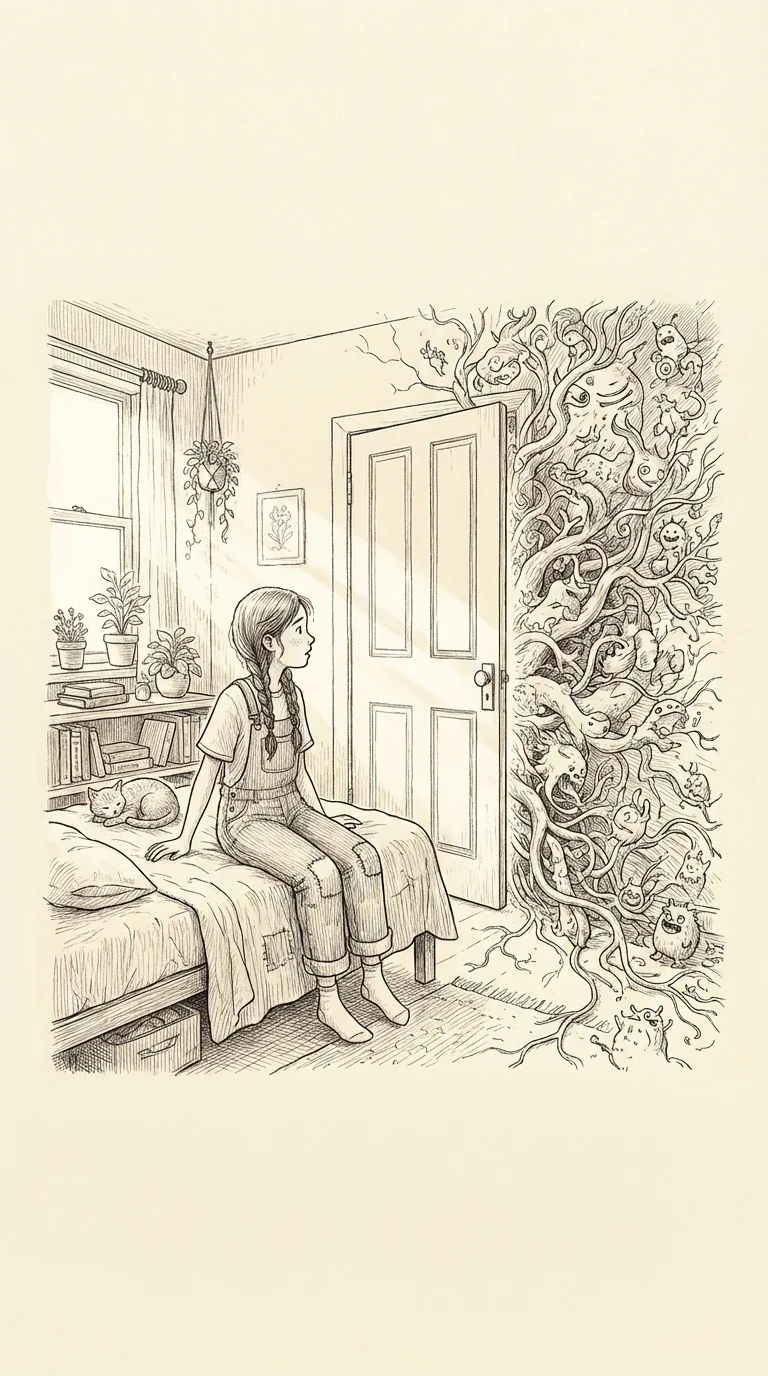
You did everything right today. Kept the house clean, stayed quiet, tried your best. And she still exploded. Why?
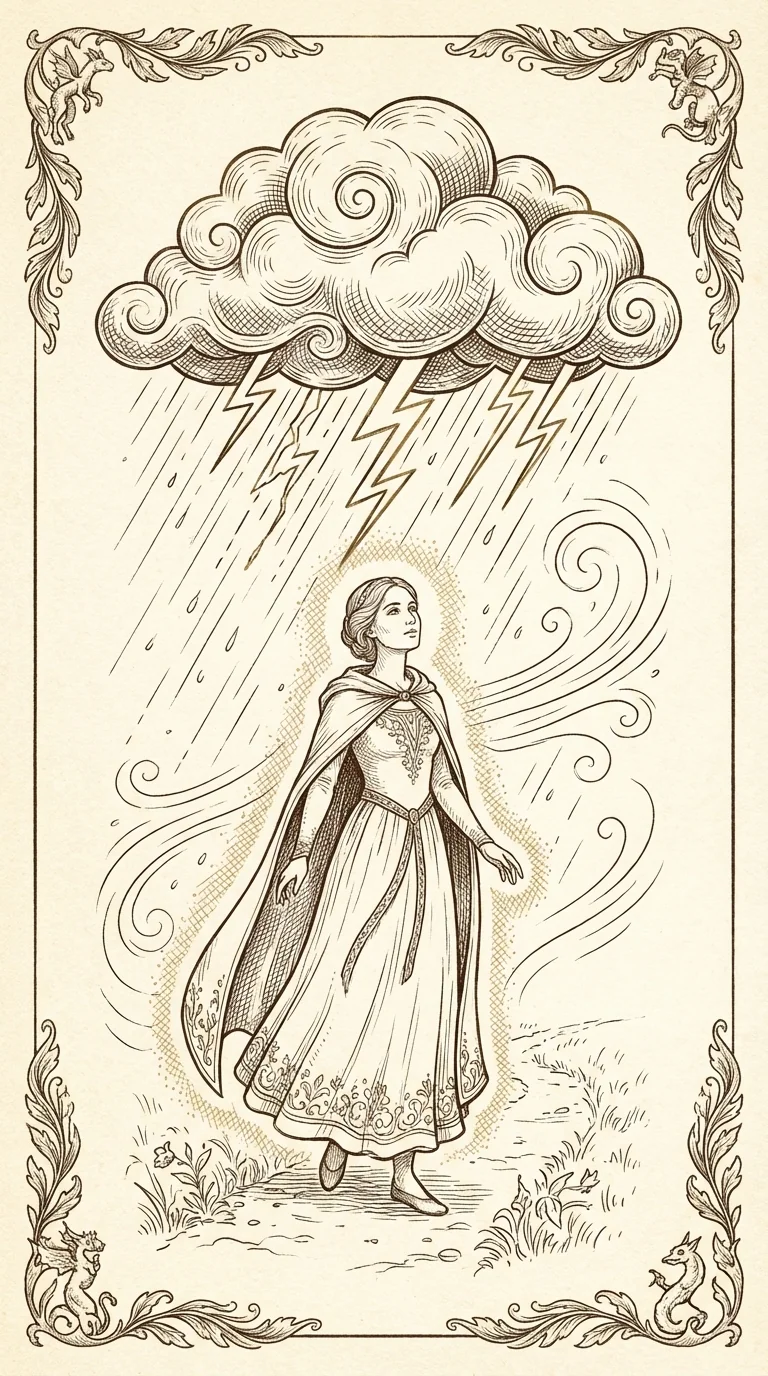
Her yelling isn't about you. It's a symptom of her own inability to manage her emotions—called emotional dysregulation.
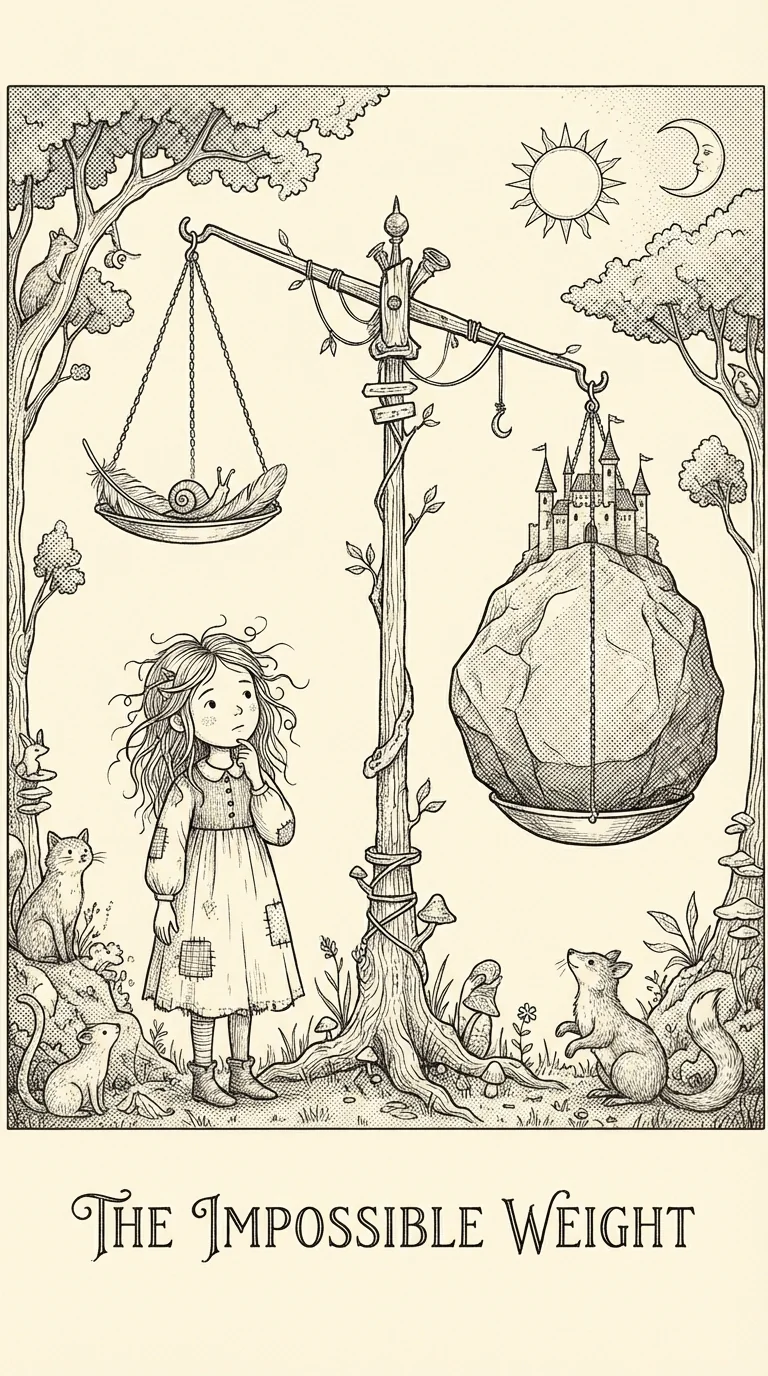
When someone is dysregulated, their reactions are never proportionate. You could do everything perfectly and still become a target.
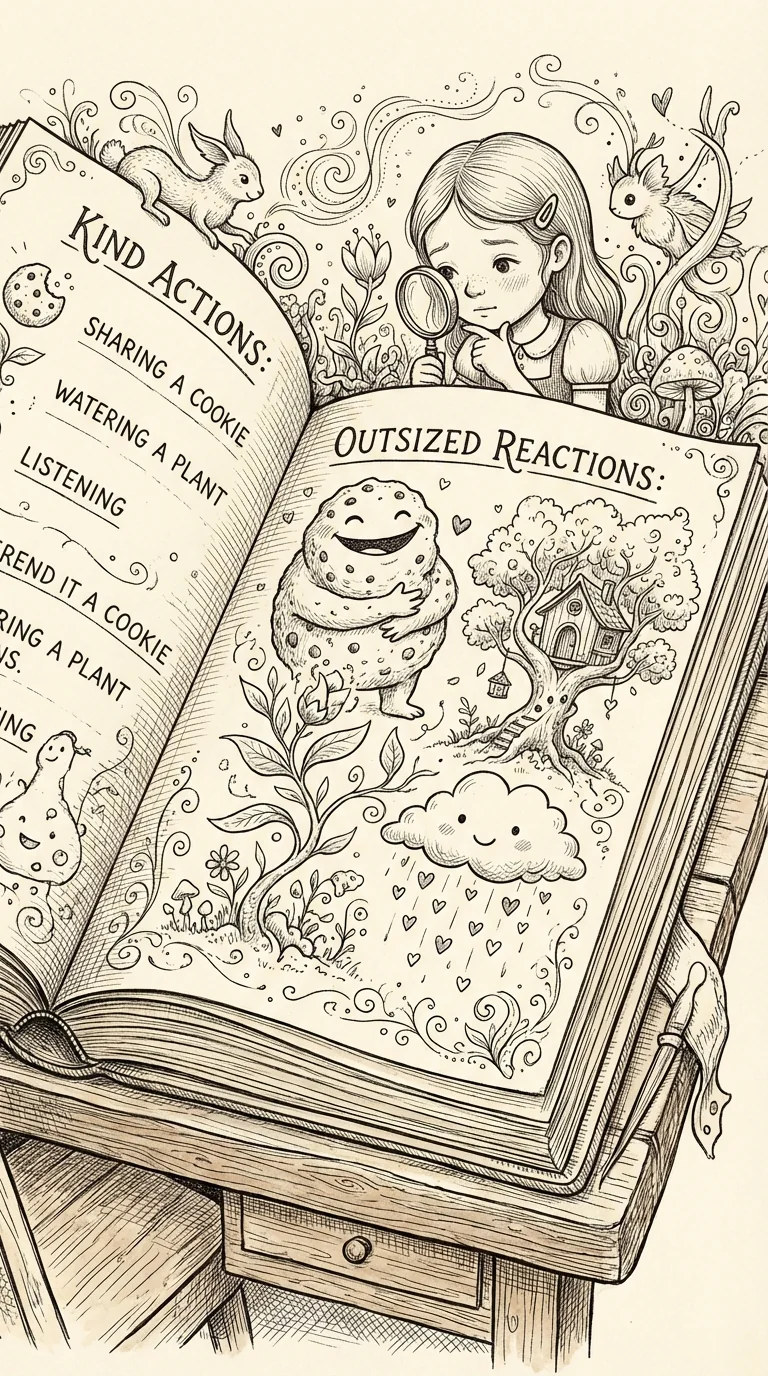
Look at the pattern: you helped all day, she yelled about one dish. The reaction never matches the behavior. That's the proof.
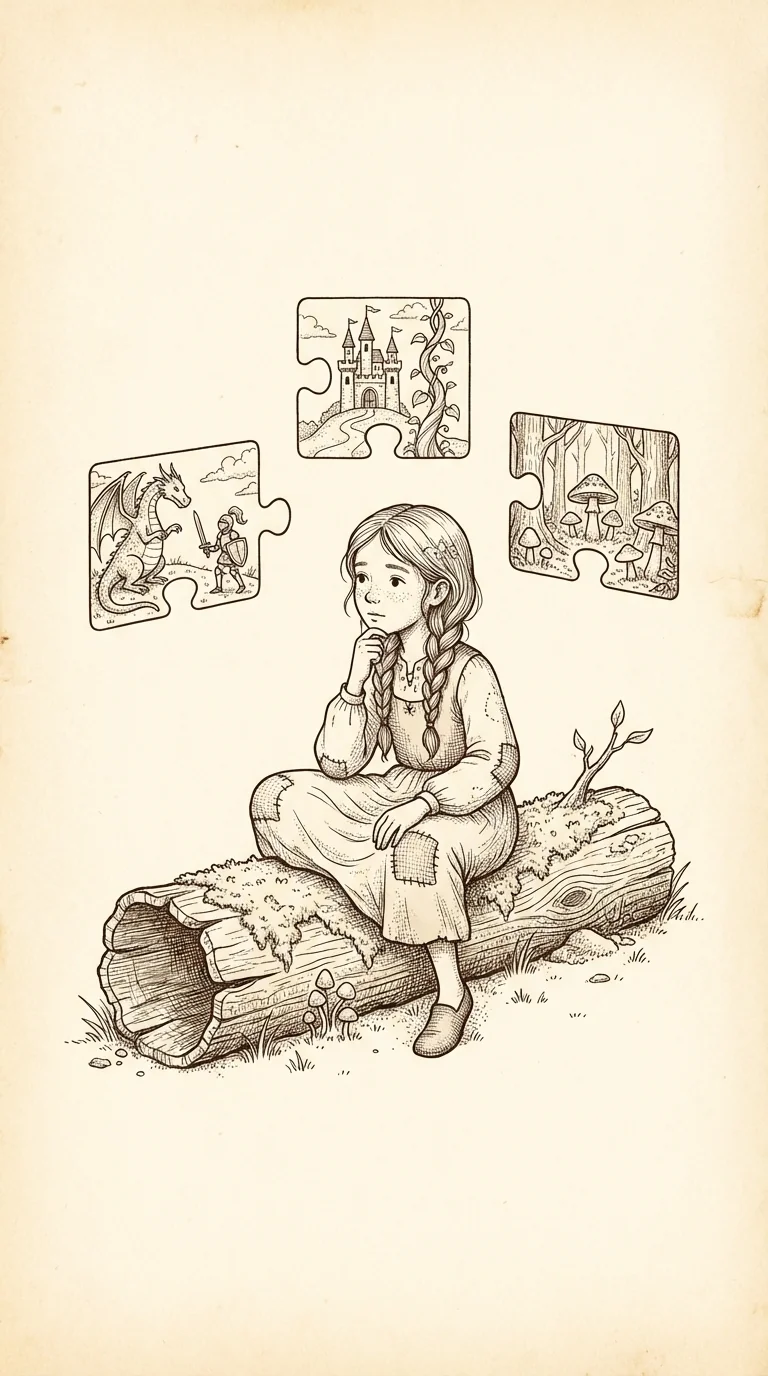
Try this: think of a recent incident. Was her reaction proportionate to what you actually did? Notice the mismatch.
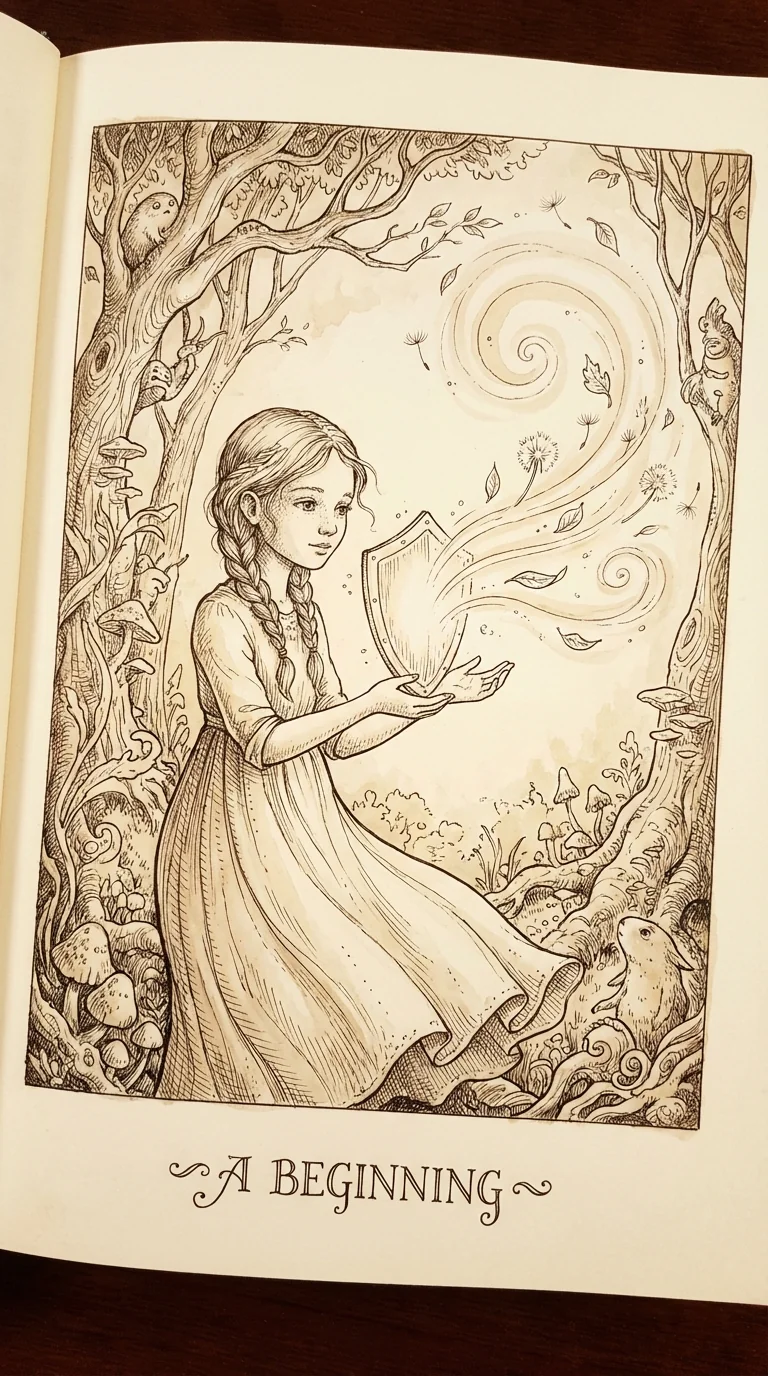
This insight is your first piece of armor: her storm is hers, not yours. Tomorrow you'll learn how to stay grounded inside it.
Part 2 of 2: Understanding Her Behavior
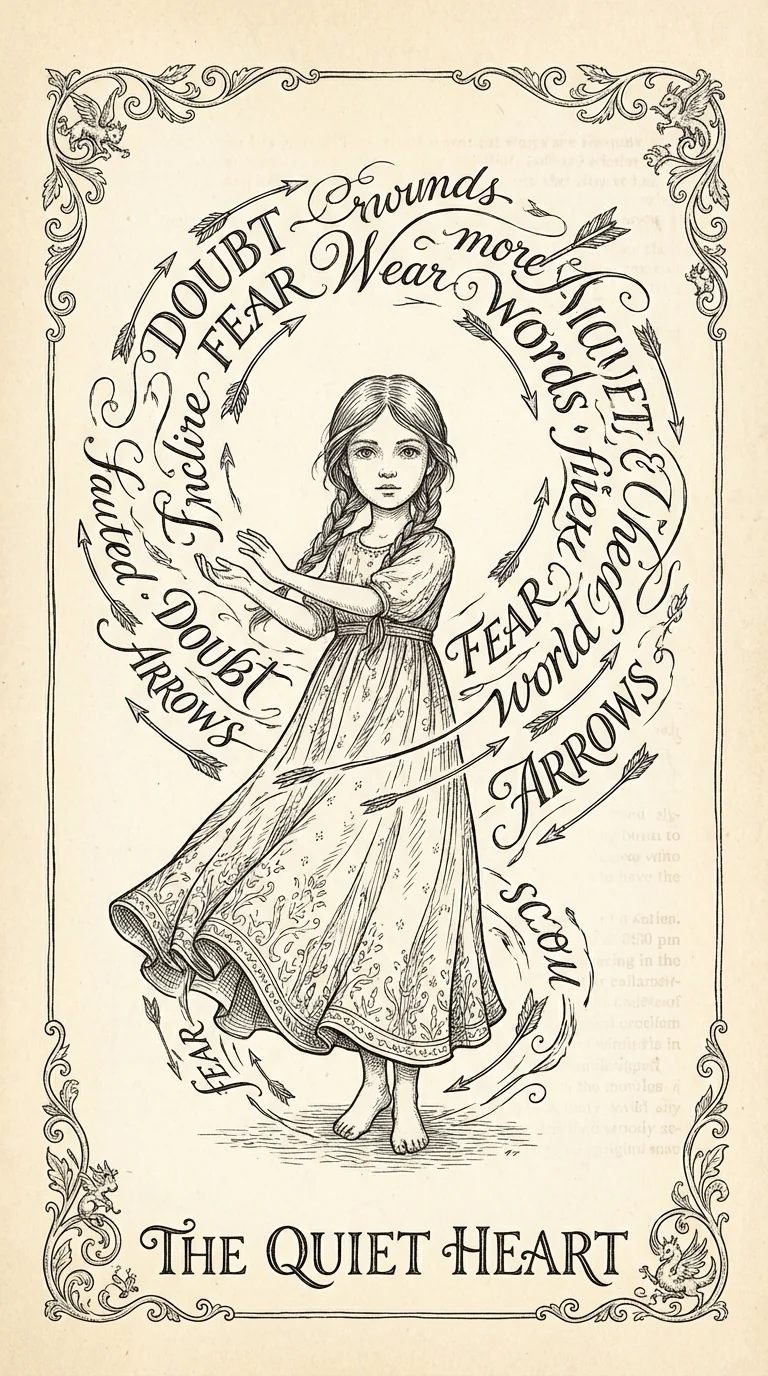
Knowing it's not about you is one thing. Feeling it in the moment—when her voice is raised and her words are sharp—is another.
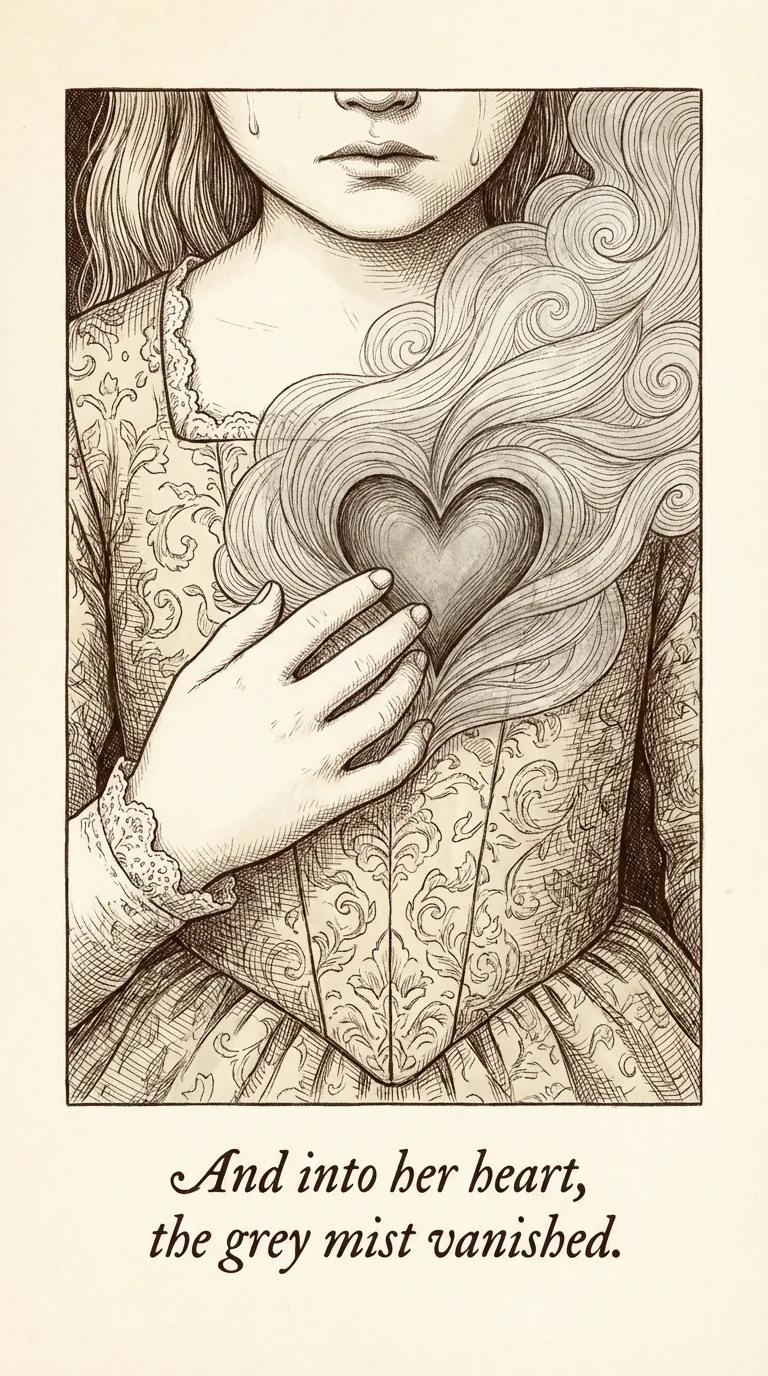
When she yells, your body reacts automatically: heart racing, thoughts spiraling. Without realizing it, you absorb the storm.
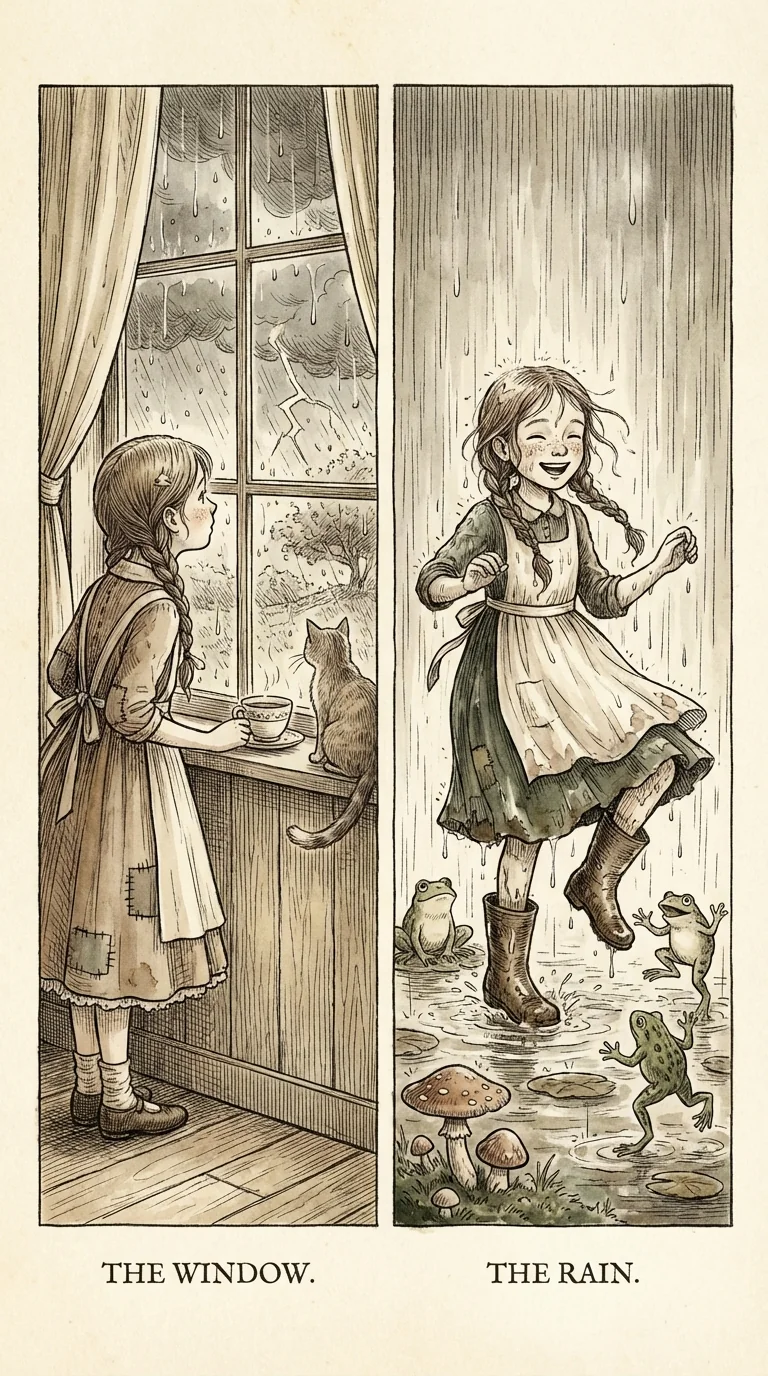
There's a difference between observing and absorbing. Observers watch the storm from behind glass. Absorbers become the storm.
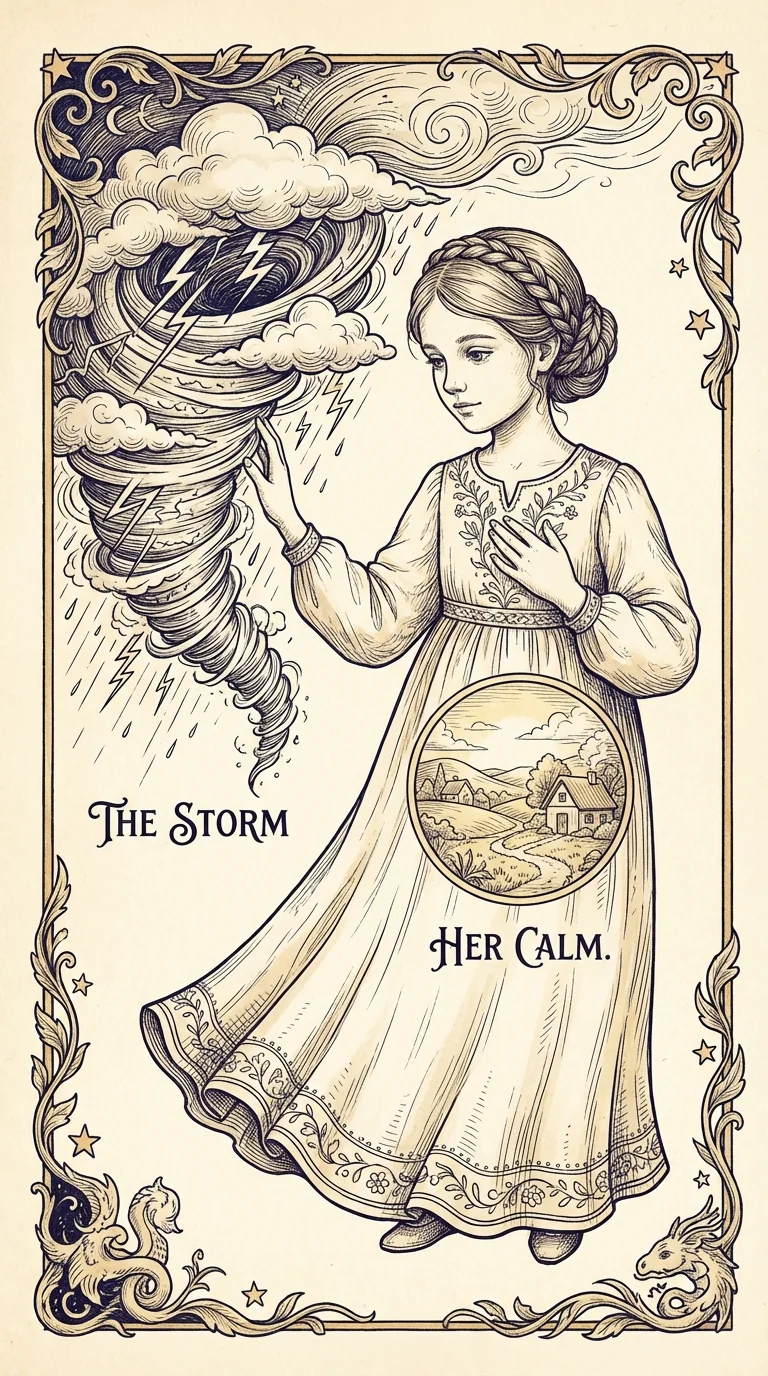
You can acknowledge what's happening without letting it define you. Her anger is hers. Your peace is yours to protect.
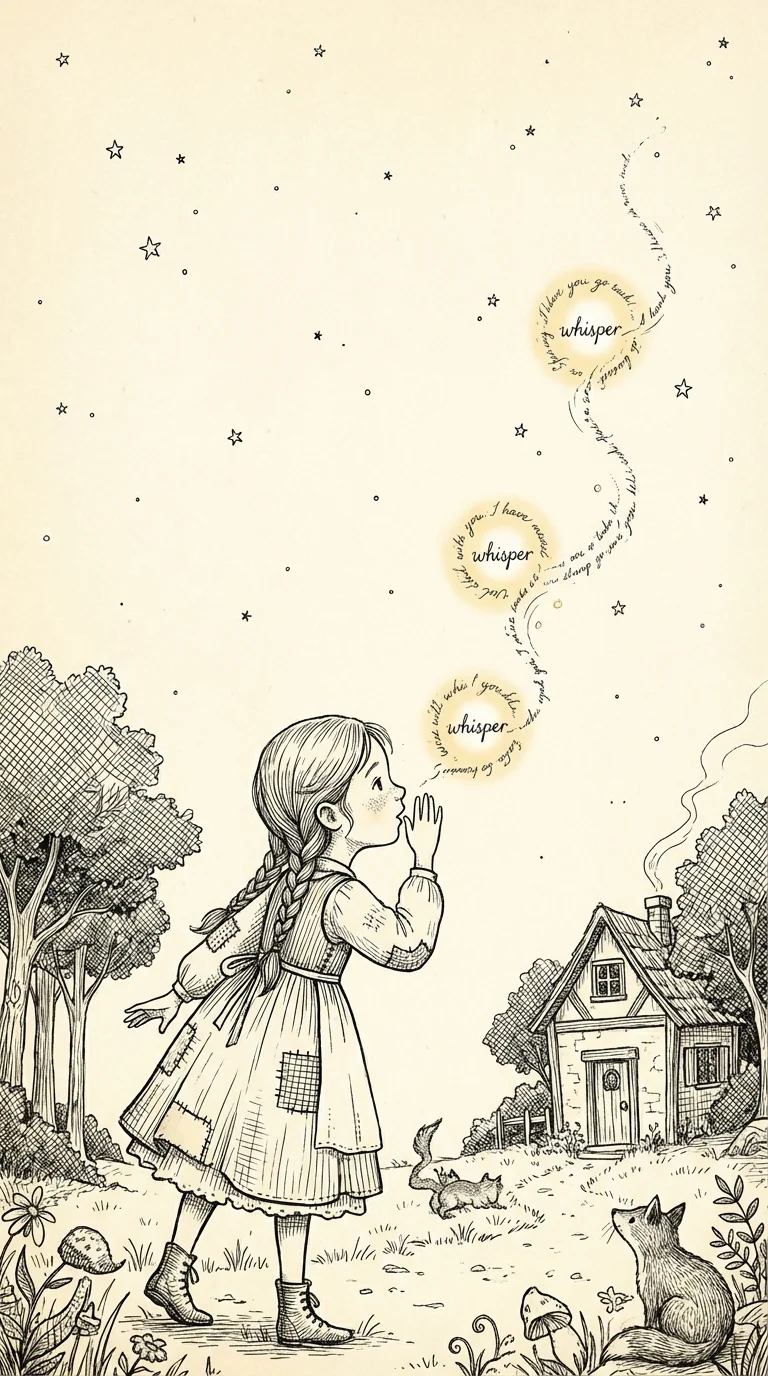
Practice this today: when you feel the sting of her words, say silently—'This is about her, not me.' Say it three times.
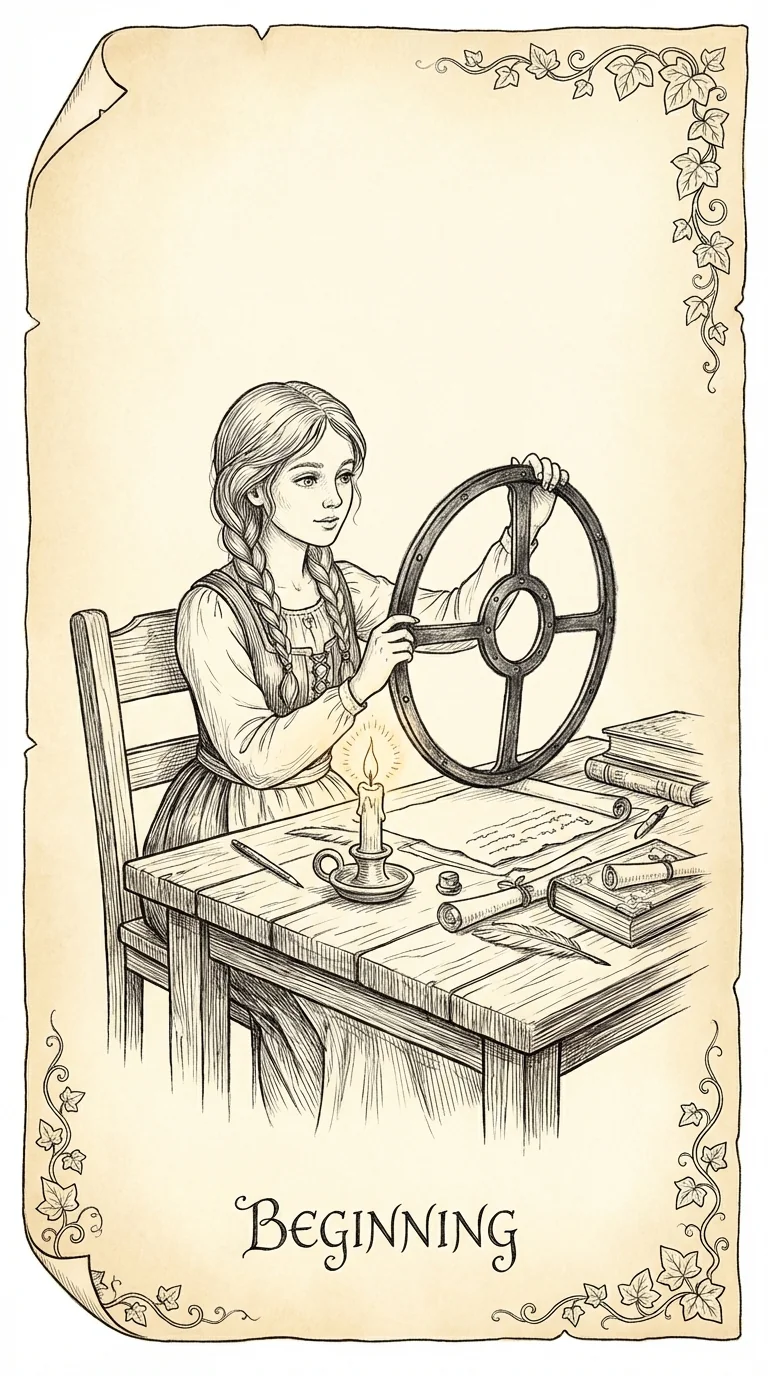
Day 1 done. You have something in your hands now — a shield frame, just the outline. It will become something.