Day 3 — Accessible Version
Self-Compassion (Not Self-Blame)
After she yells, the second attack — the one inside your own head — is often worse. Learn to recognise the inner critic and replace it with a voice that's actually yours.
Part 1 of 2: Self-Compassion (Not Self-Blame)

After she yells at you, what do you say to yourself? Chances are, the second attack—the one inside your own head—is worse.
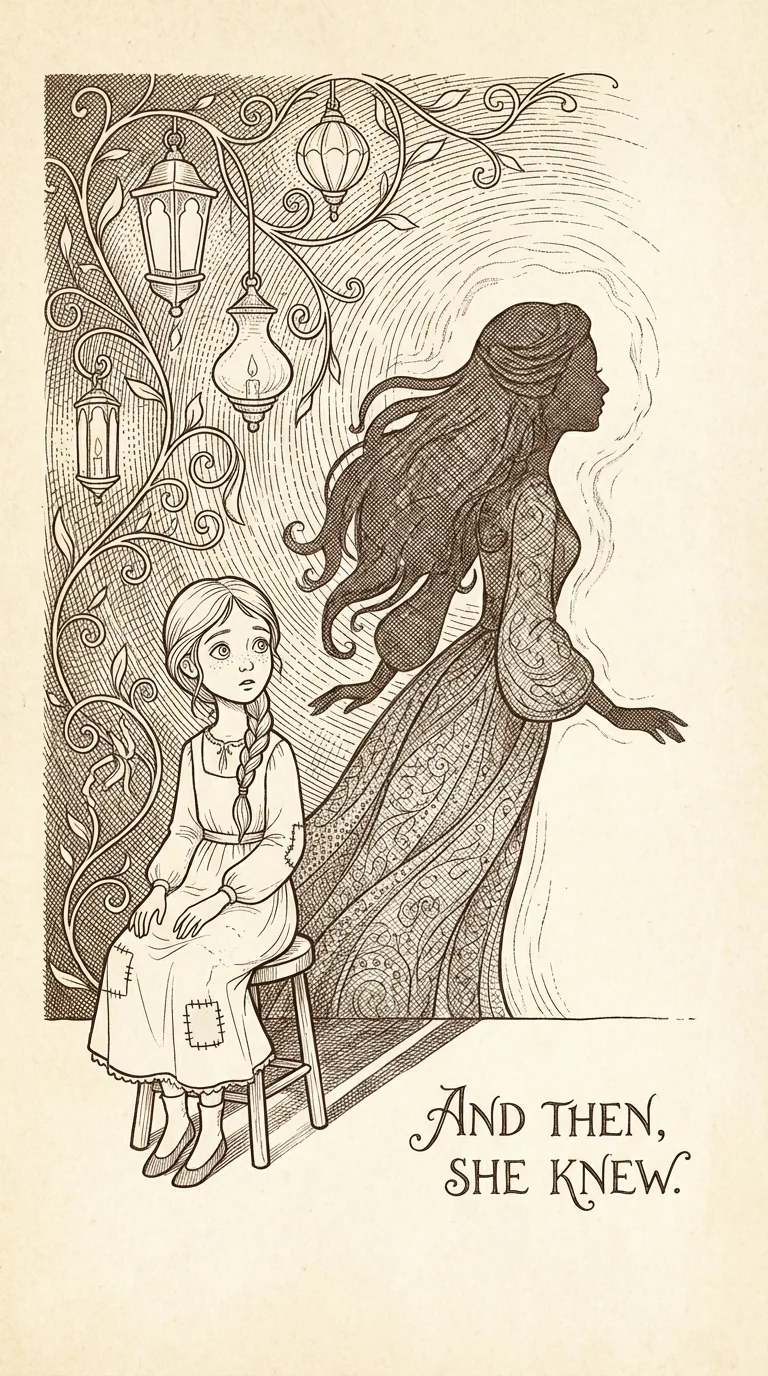
The inner critic sounds familiar because it borrowed its voice. You've heard her words so many times, you started repeating them.
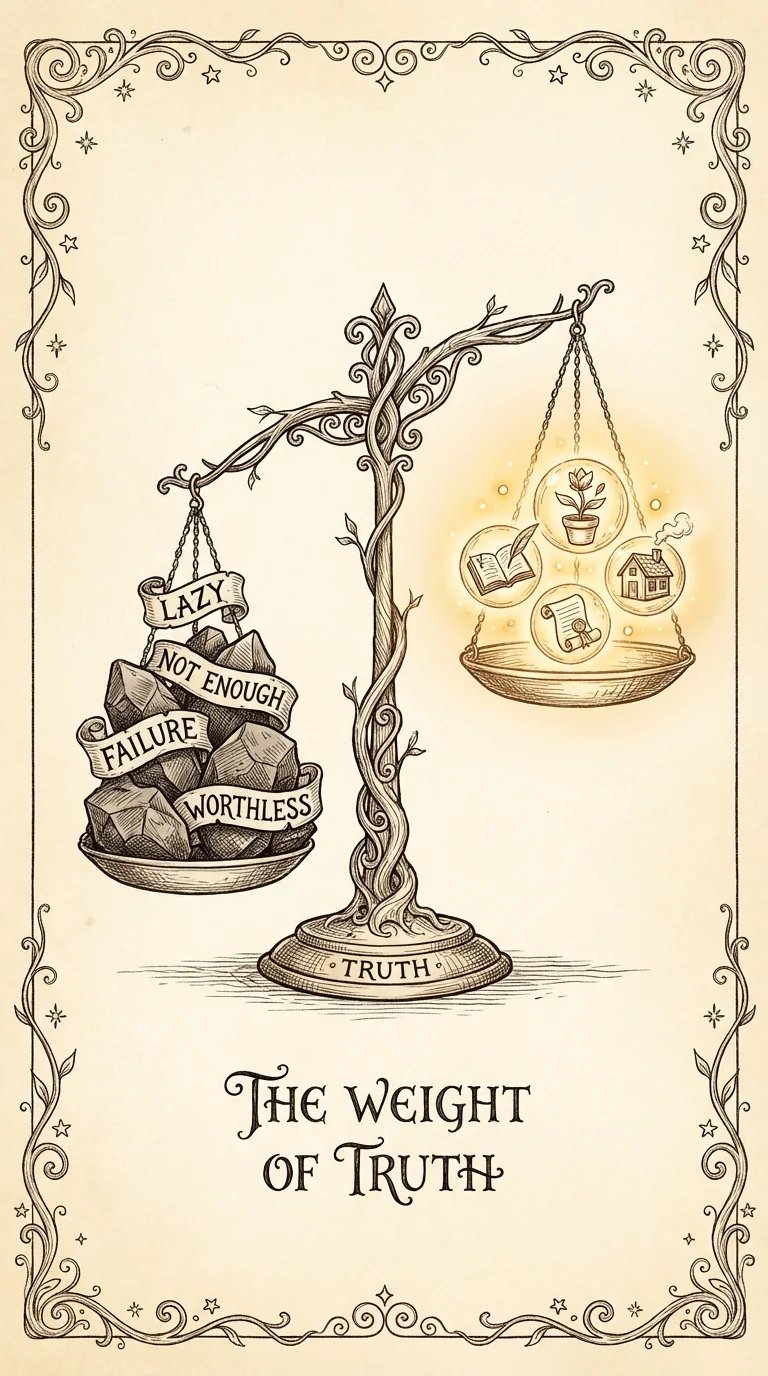
Here's what's true: her words about you are symptoms of her dysregulation—not evidence of your worth. They are not the truth.
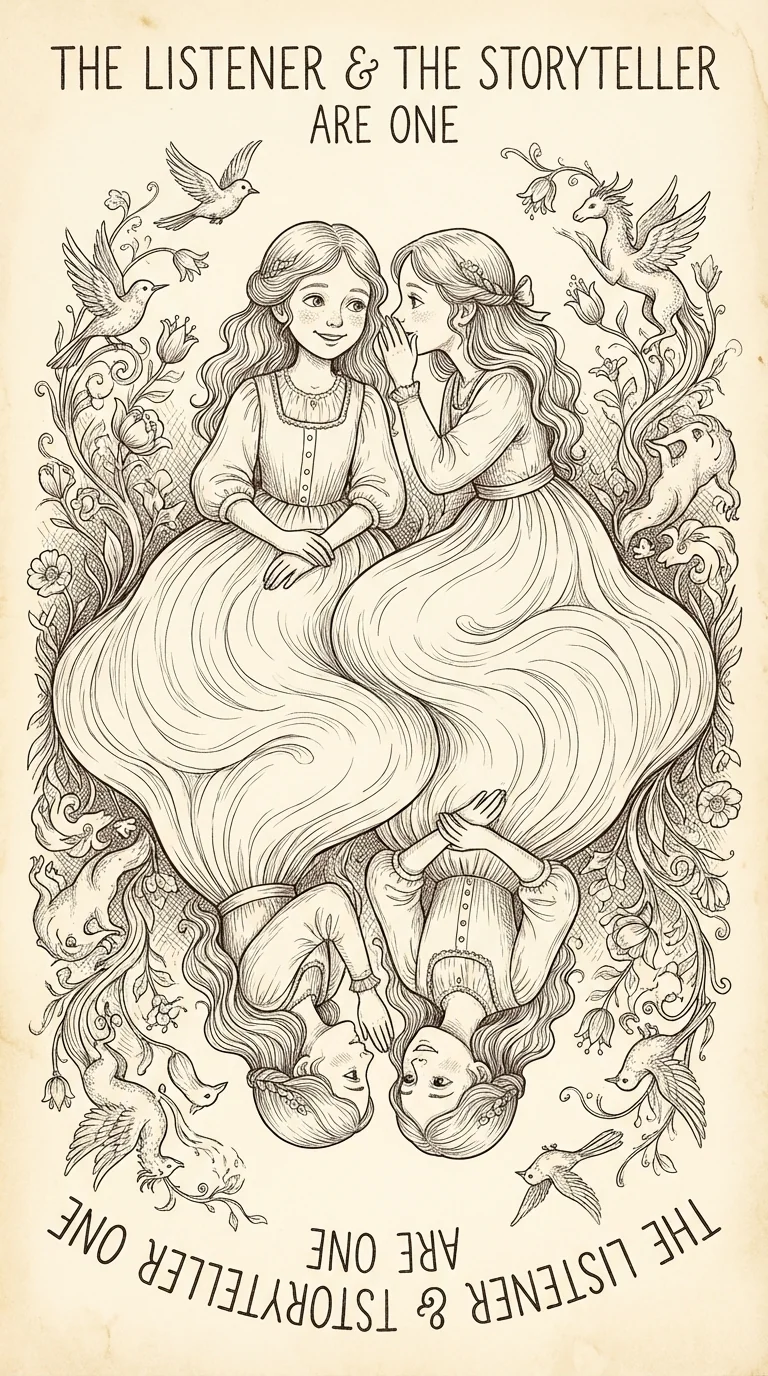
Self-compassion isn't weakness. It's treating yourself the way you'd treat a best friend going through the same thing.
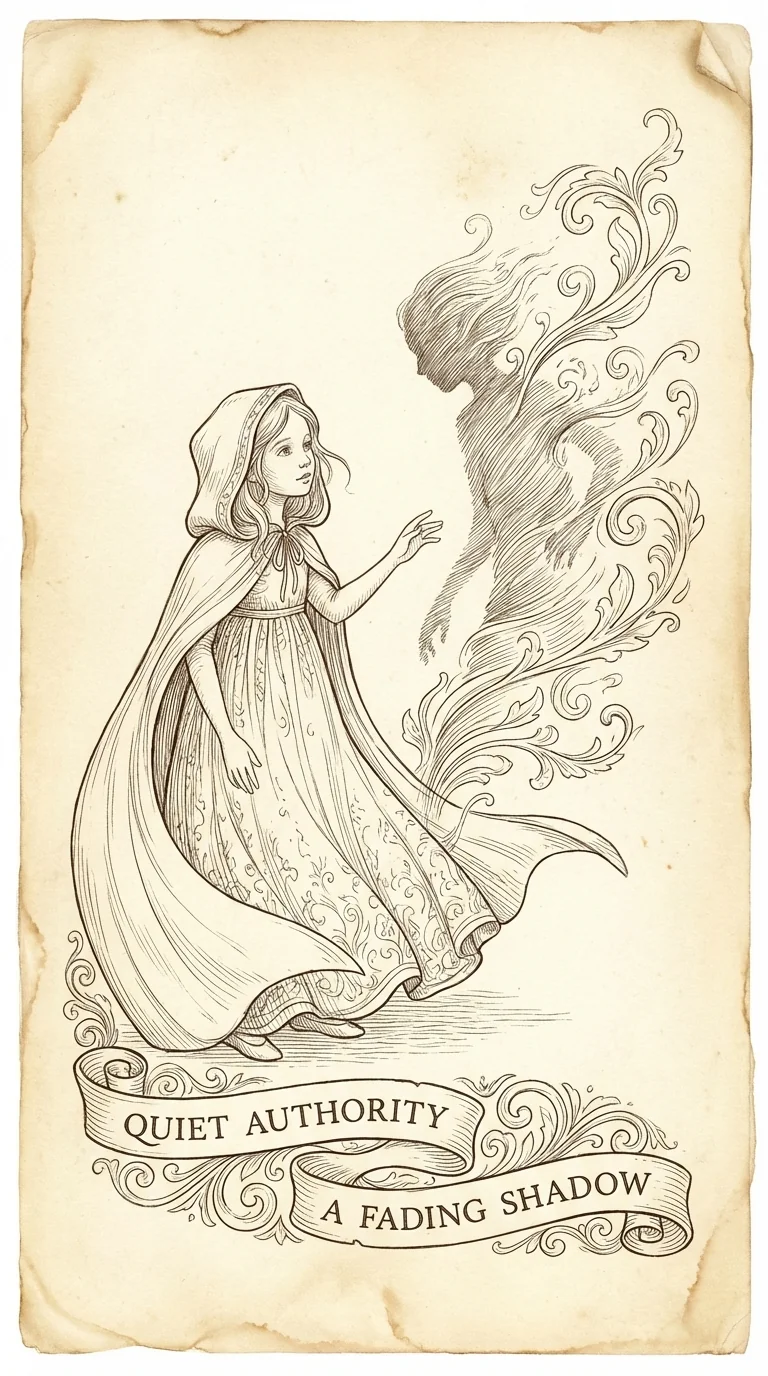
When the inner critic speaks, interrupt it. Ask: 'Would I say this to a friend?' If not, you don't have to say it to yourself.
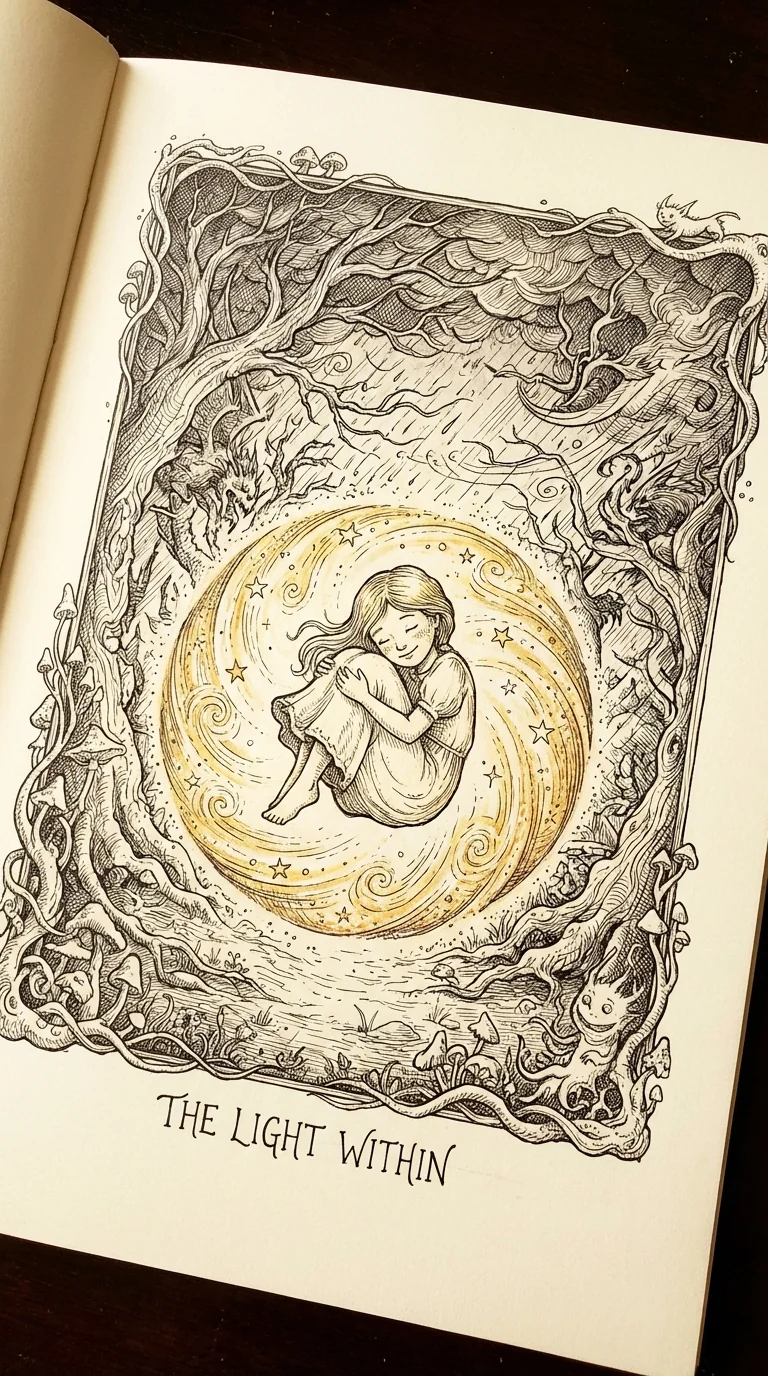
You can't stop her attacks. But you can choose not to continue them on her behalf. Tomorrow: words that protect you.
Part 2 of 2: Quieting the Inner Critic
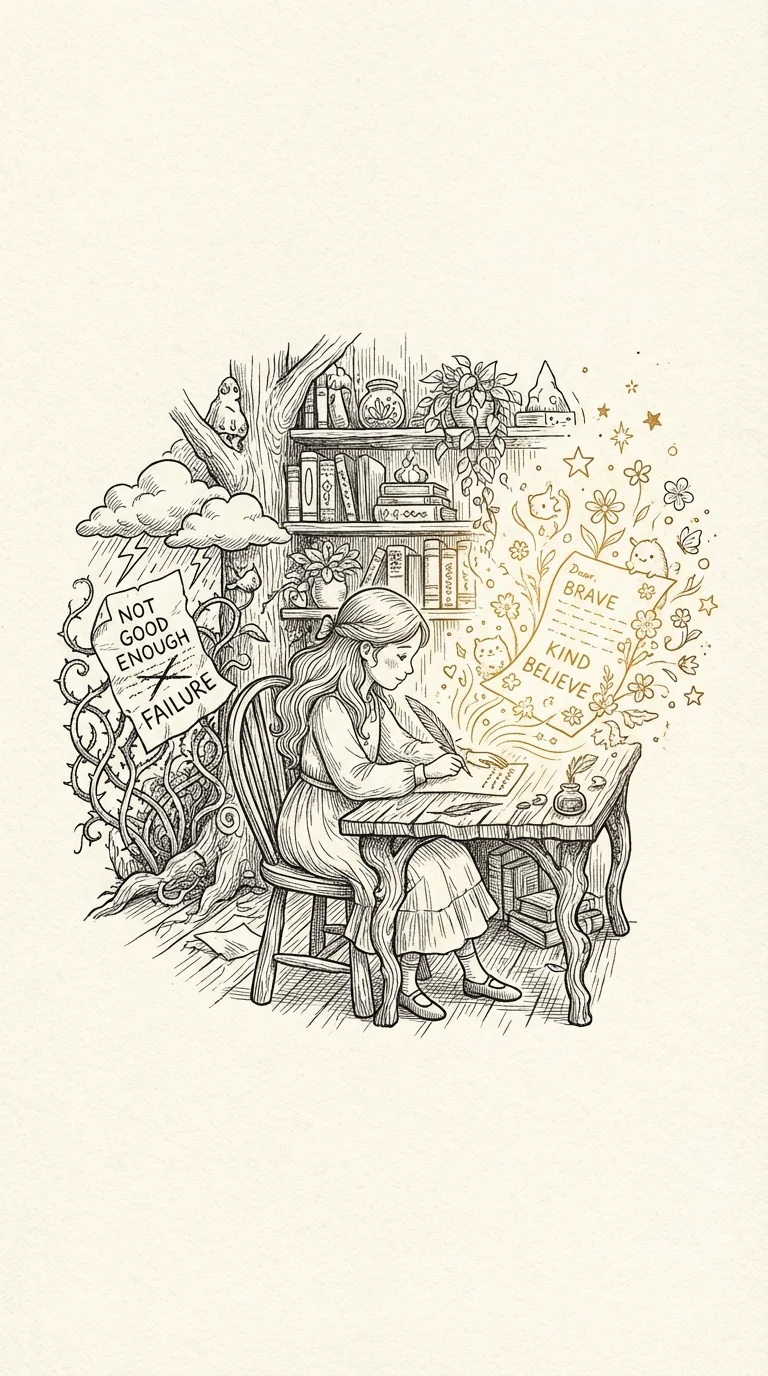
Today you practice turning self-criticism into self-compassion—one thought at a time.
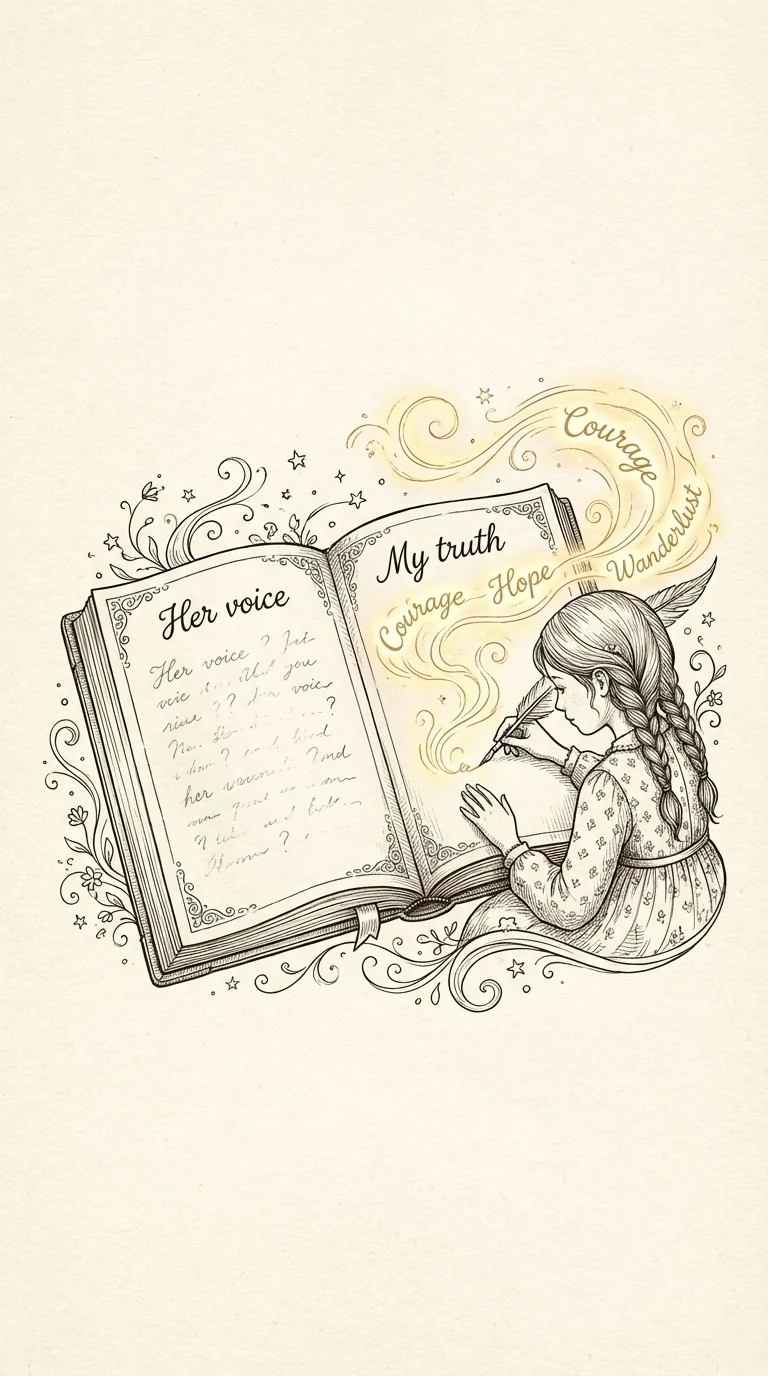
Take one harsh thought you've had about yourself recently. Now write the opposite—what you'd tell a friend in the same position.

Notice how the compassionate version feels different in your body—slightly lighter, a breath easier. That's the truth responding.
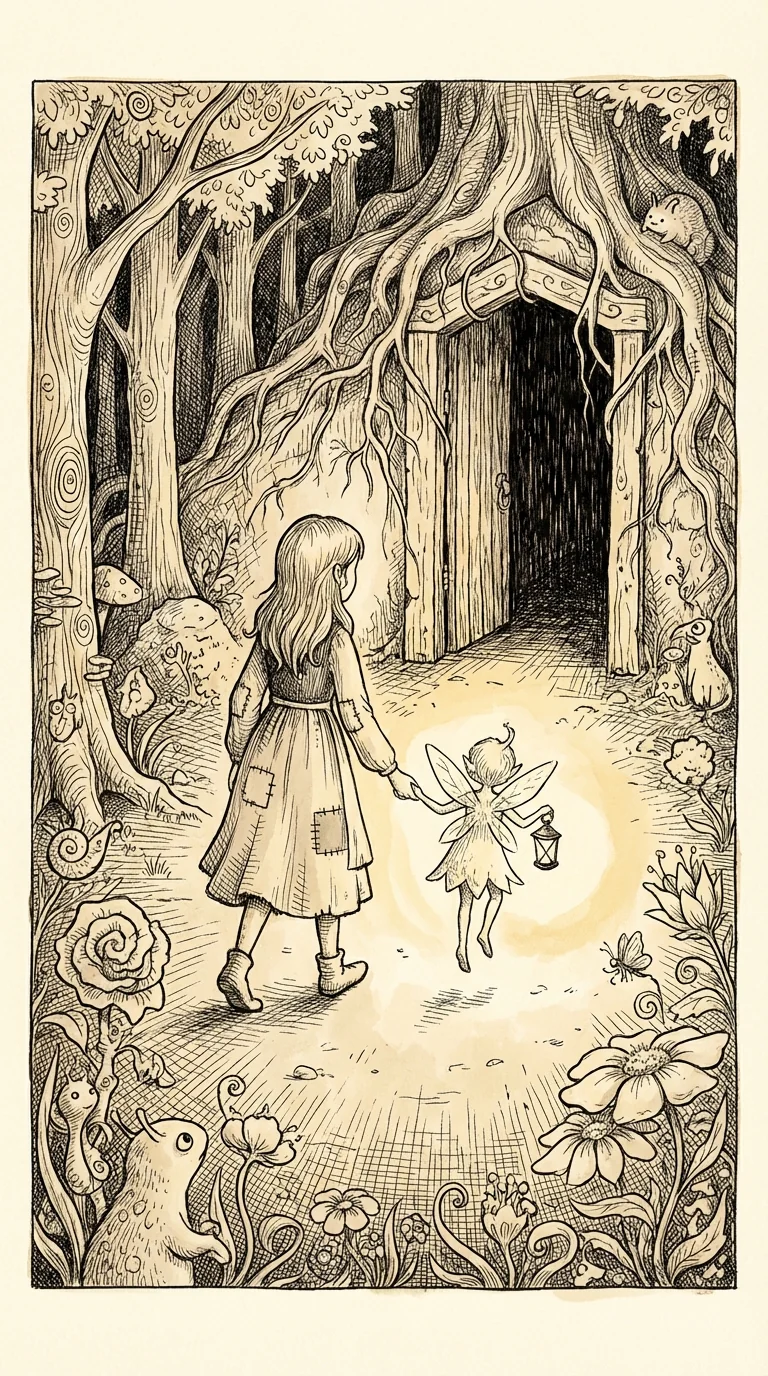
Self-compassion isn't about ignoring problems. It's about facing them with kindness as your companion, not cruelty.
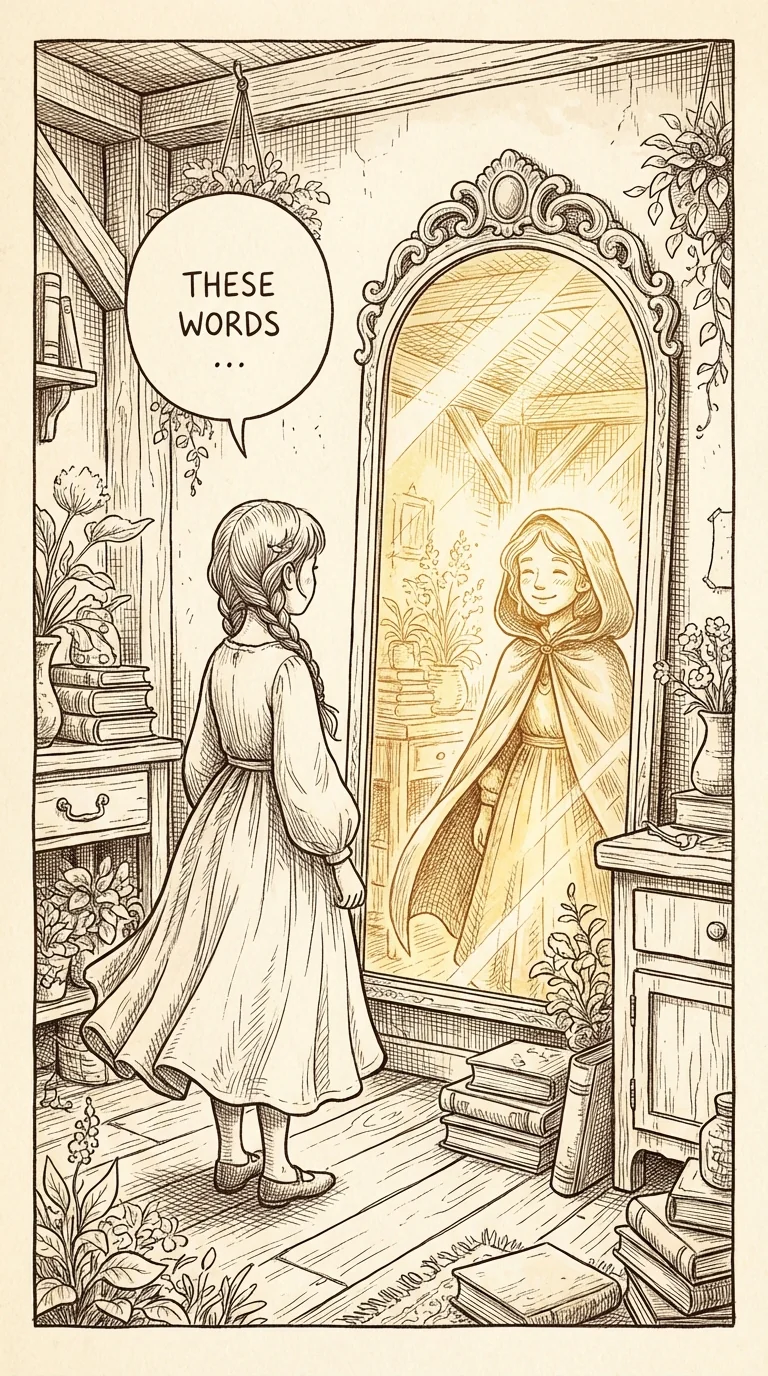
Today's practice: when you catch the inner critic, pause and say—'I'm doing the best I can with what I have.'

Three days in. The inner critic is getting quieter. And your shield has a heart in it — because kindness is armor too.