Day 5 — Accessible Version
Strategic Exit
Sometimes the wisest move is to leave the room. Learn how to exit calmly and without drama — and build a safe space to decompress before you need one.
Part 1 of 2: Strategic Exit
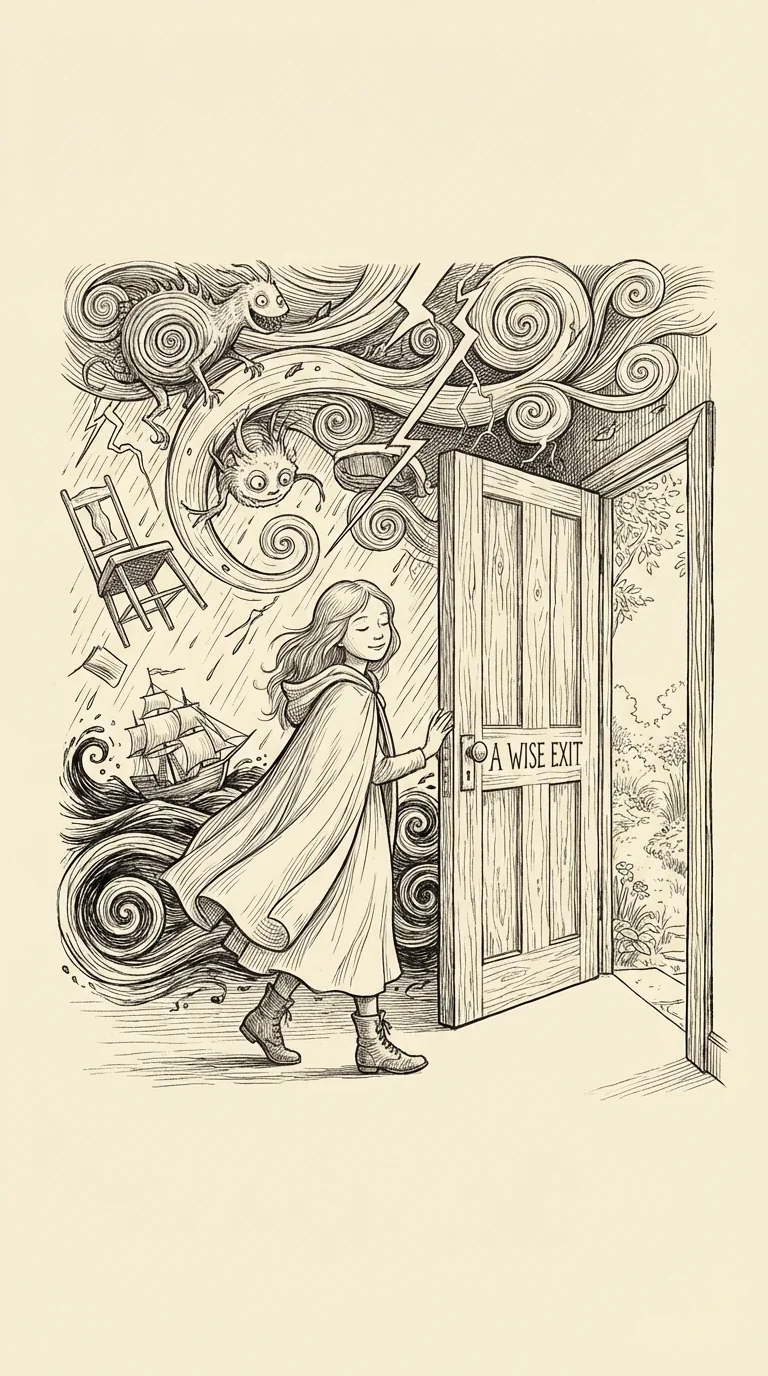
Sometimes the bravest thing you can do in a conflict is walk away. Not out of weakness—out of wisdom.
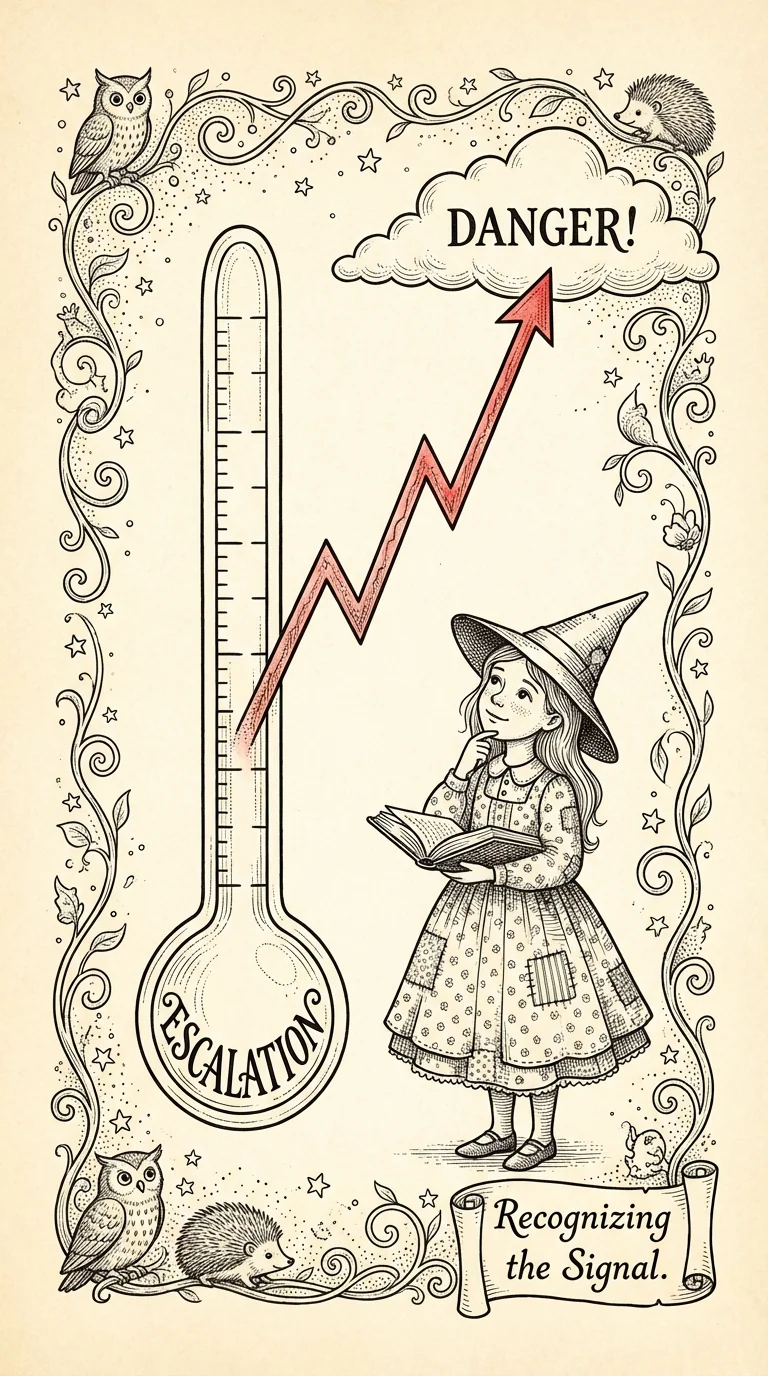
There are moments when staying isn't safe or productive: when she's escalating despite your calm, or when you're near your limit.

A strategic exit isn't storming off or slamming doors—it gets a bigger reaction. It's a quiet, prepared departure.
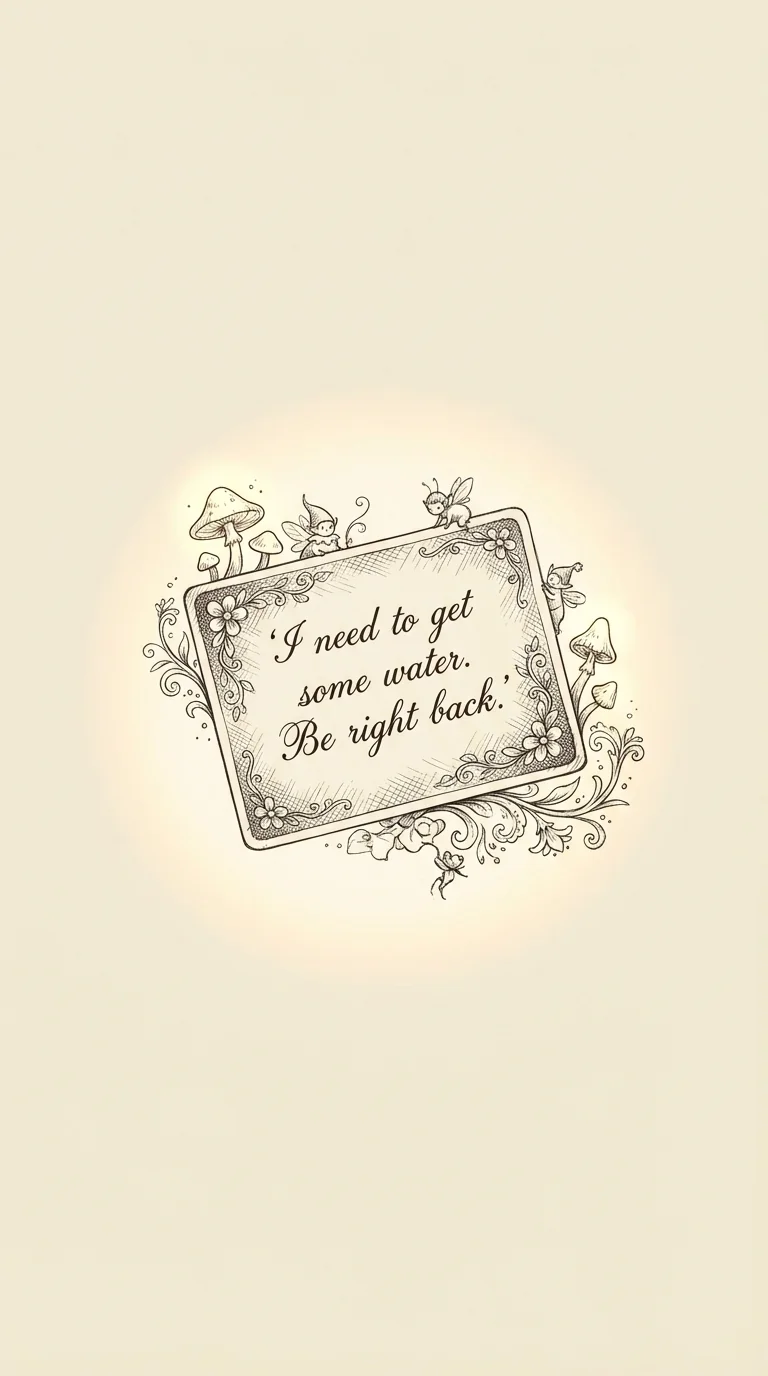
You need an exit script: a neutral phrase that gives a reason without being a challenge. 'I need some water' works.
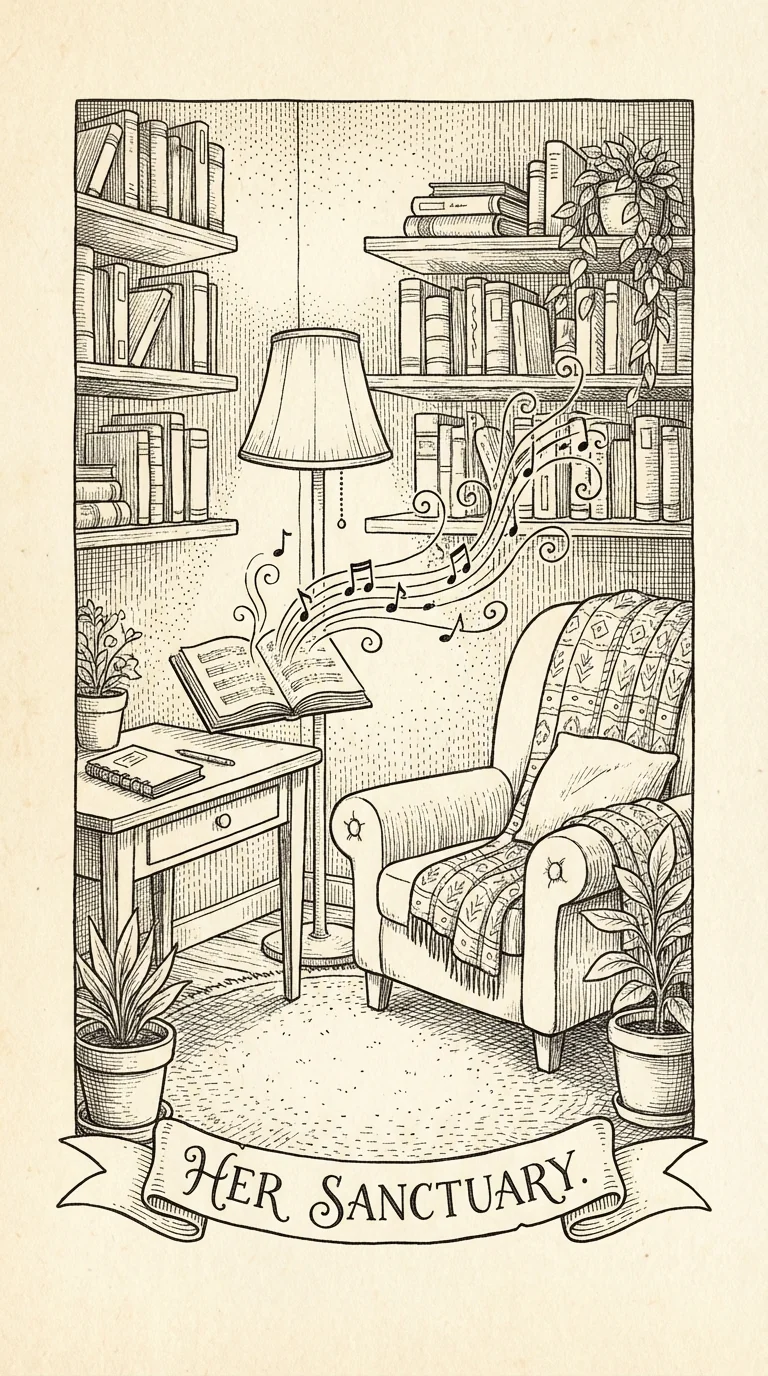
And you need a safe space: your room, outside, a friend's house—anywhere you can decompress and reset. Know it before you need it.
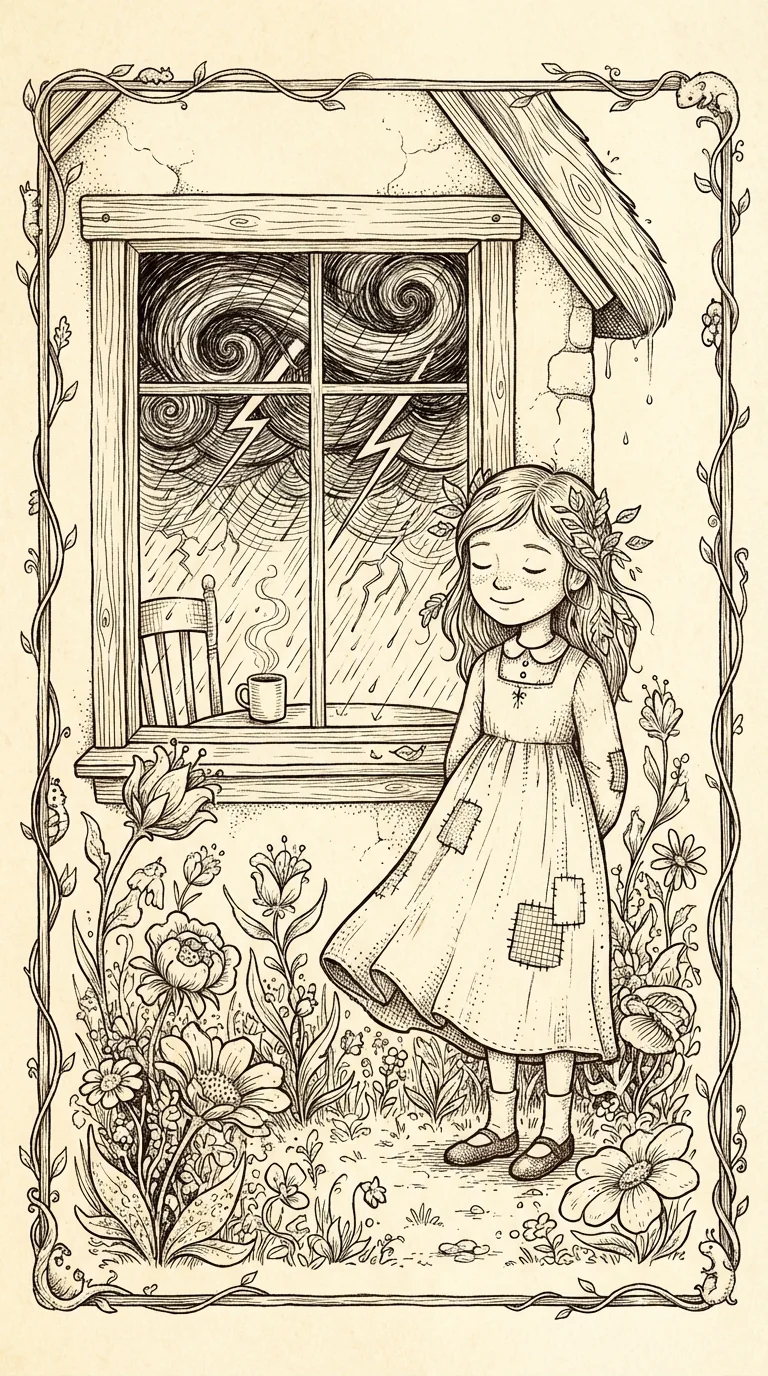
Exit isn't defeat. It's strategy. You leave the room—and keep your peace. Tomorrow: what to do when even this doesn't work.
Part 2 of 2: Knowing When and How to Leave
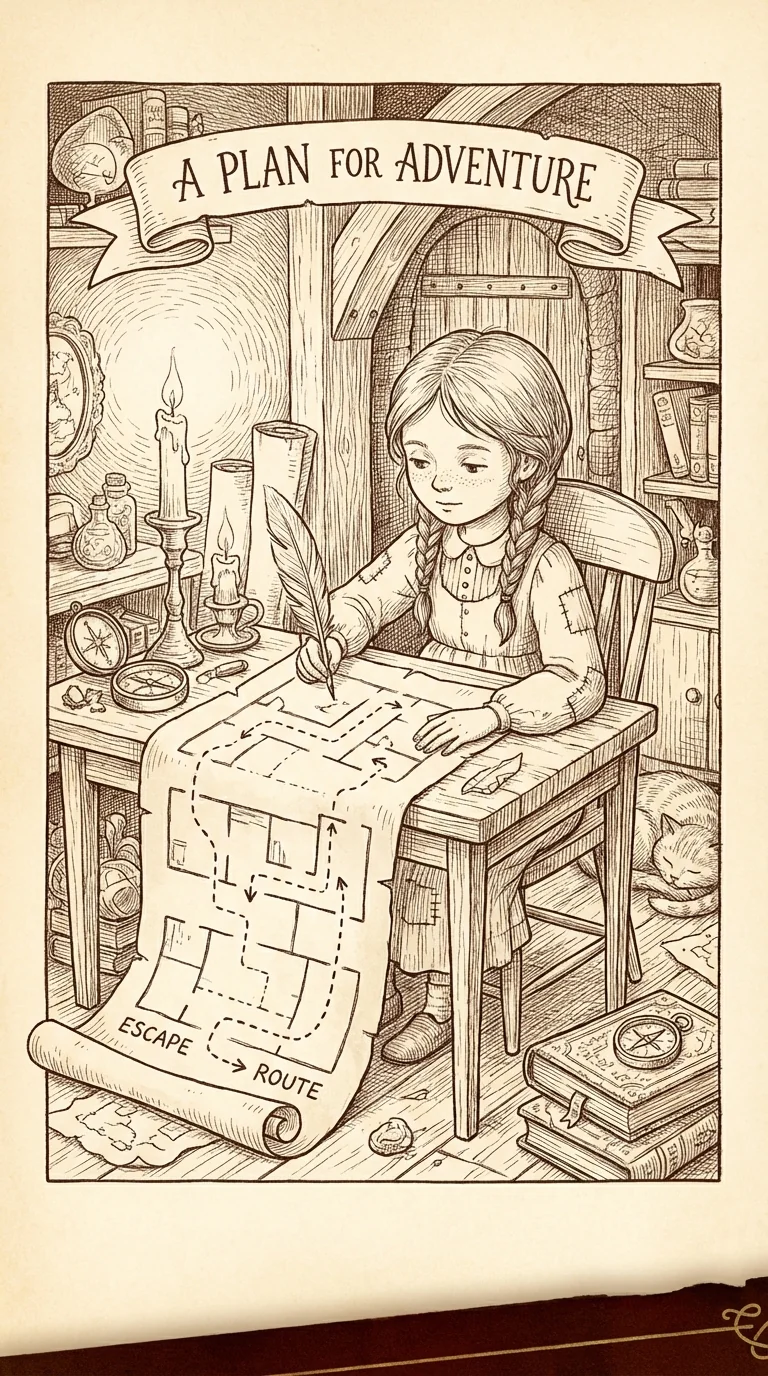
Today you design your personal exit plan—tailored to your home, your situation, your safe spaces.

Step 1: identify your escalation signal. What tells you the situation has passed the point of usefulness?
Step 2: choose your exit phrase. Something neutral, non-provocative. 'I need some water' or 'I'll be right back.'
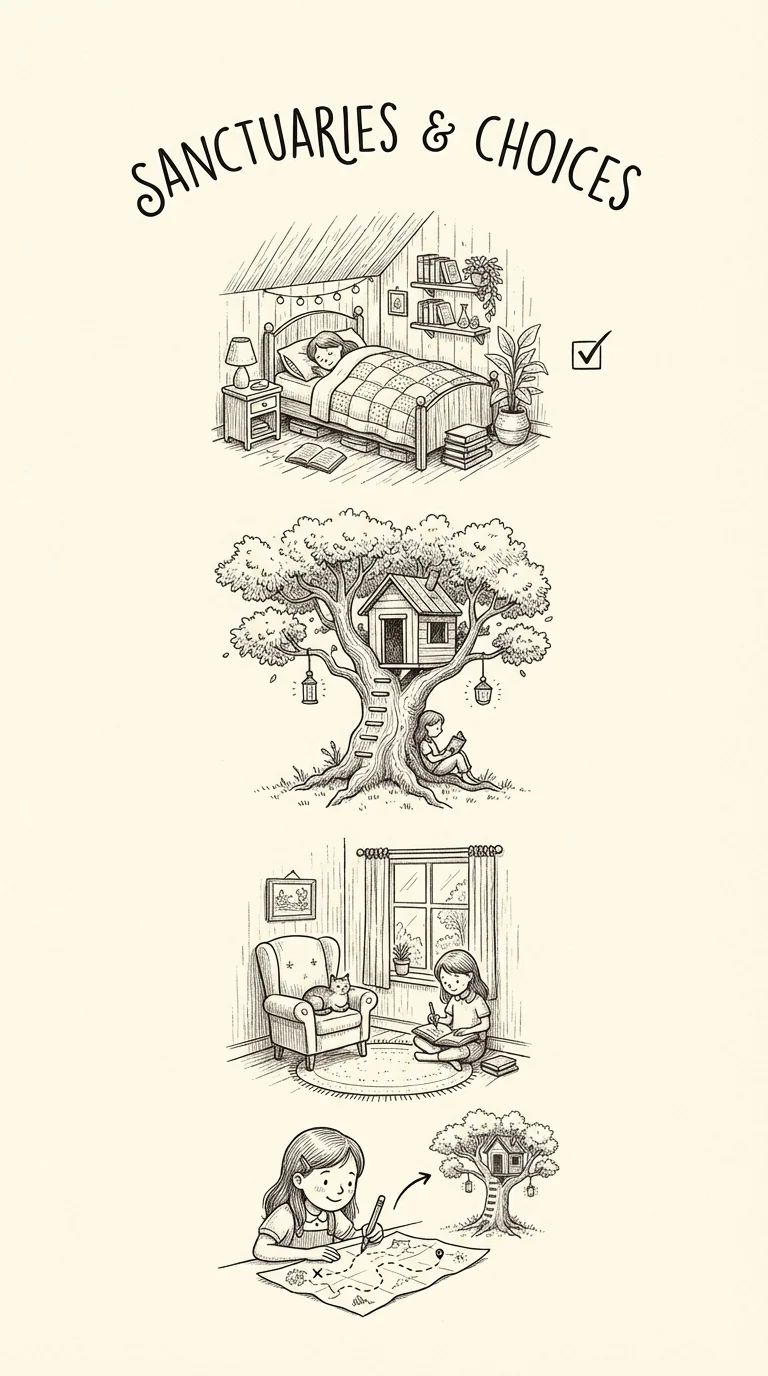
Step 3: know your safe space. Where will you go? Your room, outside, the bathroom. Have it decided before the moment comes.

Rehearse it: picture the scenario, feel your signal, use your phrase, move to your space. Run it in your mind now.

You always have a way out. That door is part of your shield now — an exit you built for yourself.