Day 7 — Accessible Version
Building Your Support Network
Keeping it secret makes everything heavier. You don't need a large network — just one trusted peer, one trusted adult, and one resource. That's enough to change everything.
Part 1 of 2: Building Your Support Network
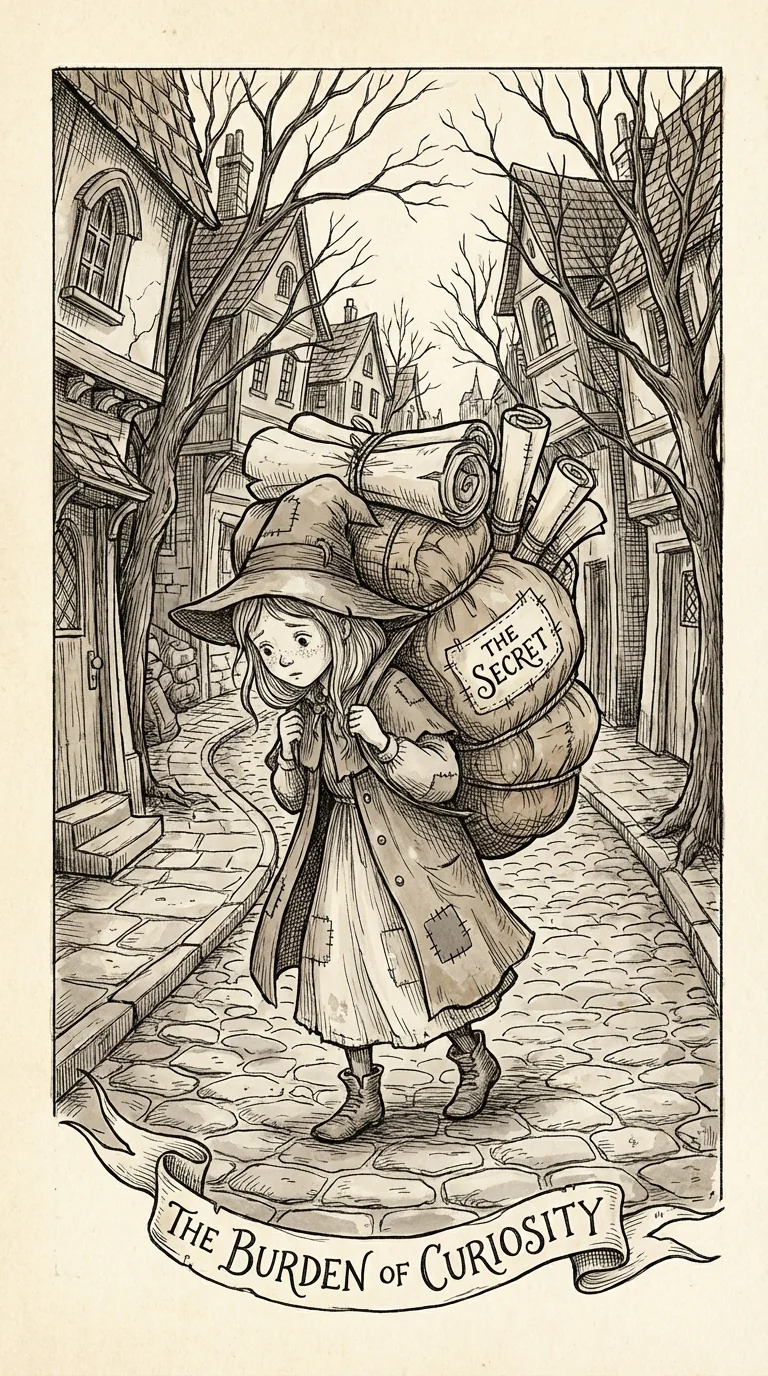
Here's the trap: when home is hard, you start keeping it secret. Shame and isolation wrap around you. And it gets heavier.
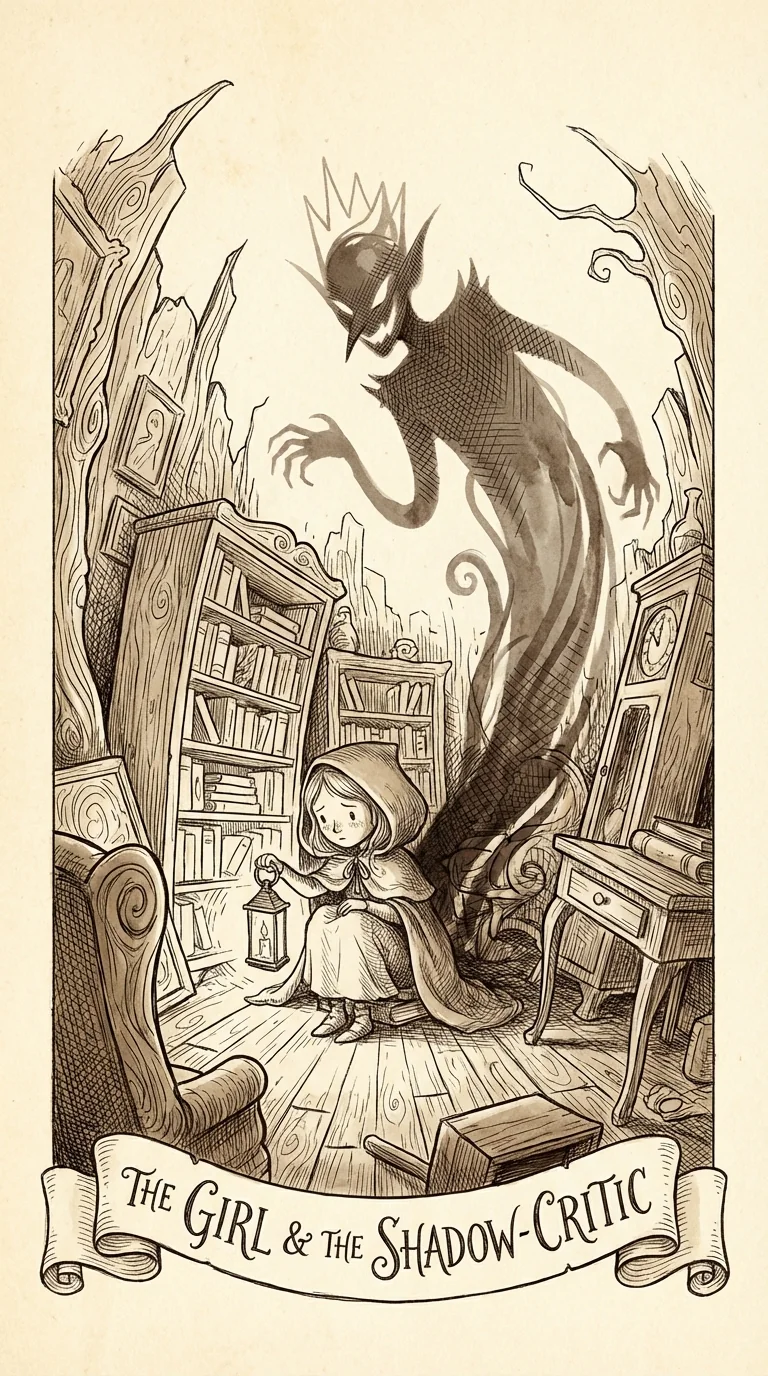
Isolation makes everything worse. Without outside perspective, your mom's version of you starts to feel like the only version.
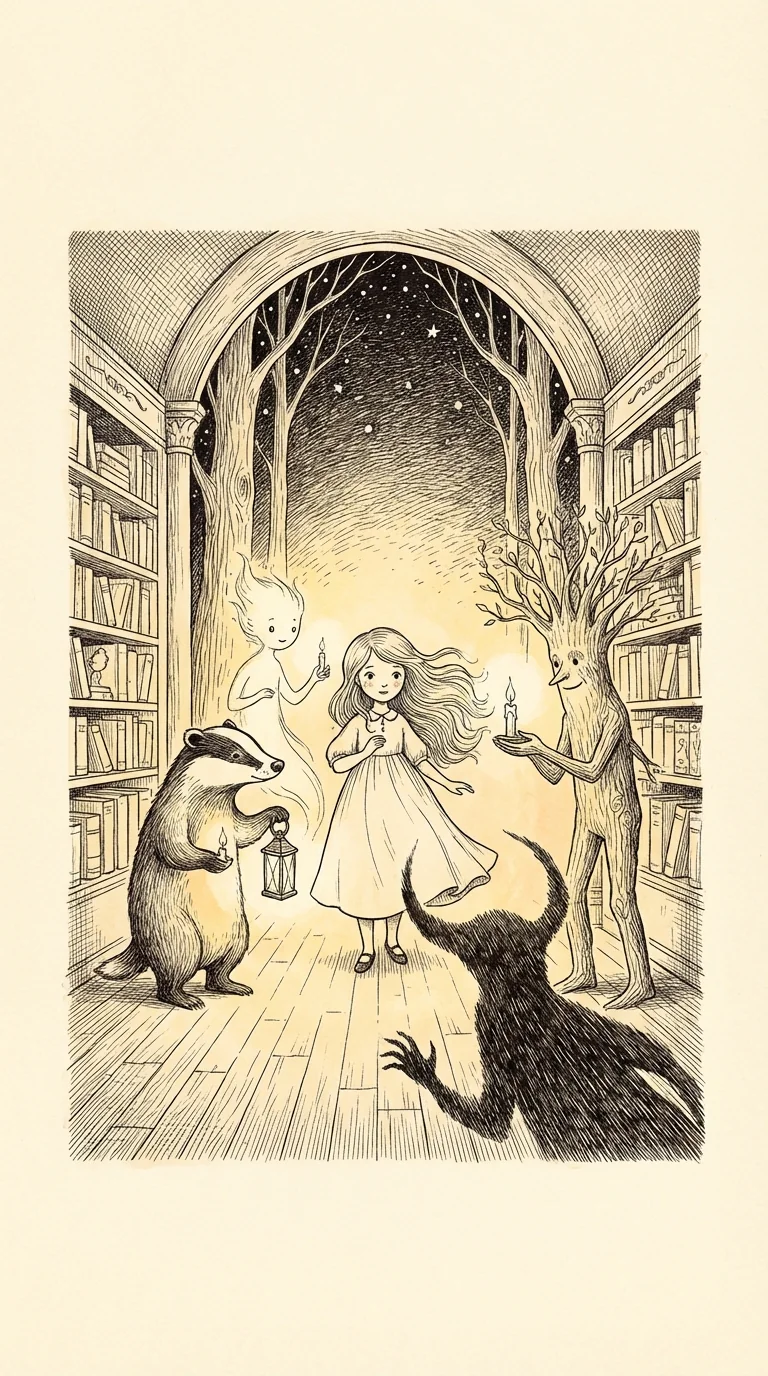
Support provides validation, perspective, and relief. Someone outside saying 'yes, this is hard—and no, it's not your fault.'
Your support network doesn't need to be large—it needs to be safe. One trusted friend. One adult. One resource. That's a network.
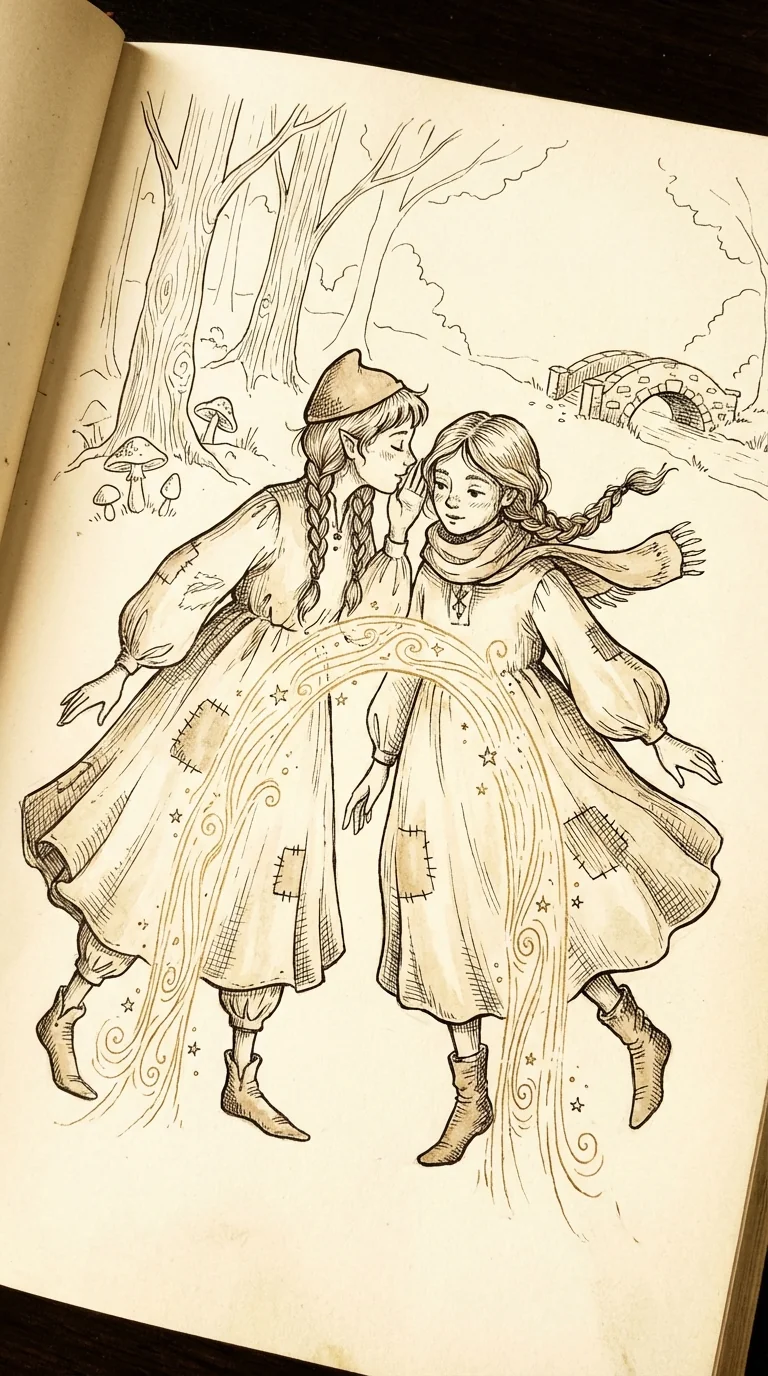
How to ask for support without telling the whole story: 'I'm going through something hard at home. Can I talk to you?'
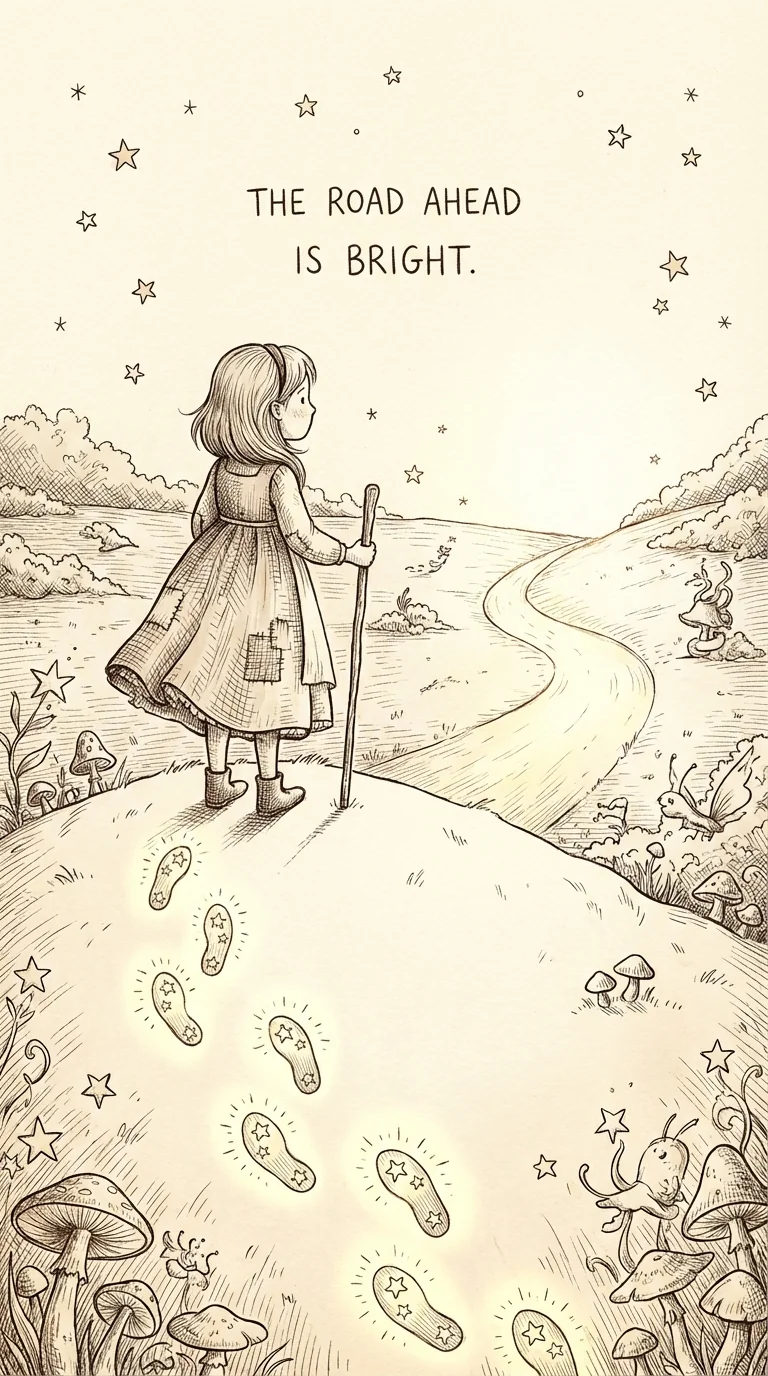
You've finished Week 1. Seven days of showing up for yourself. The foundation is built. Next week: mastery.
Part 2 of 2: You Don't Face This Alone
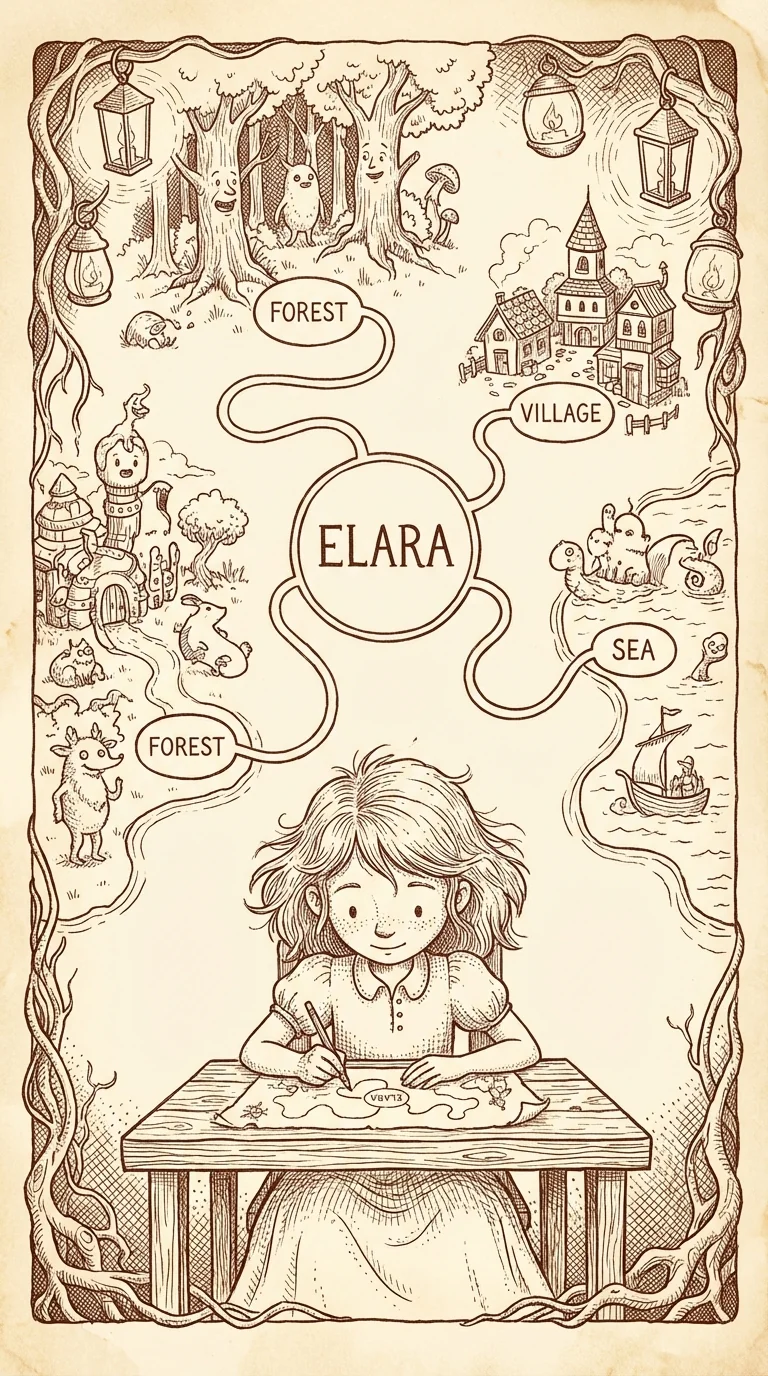
Today you build your actual support map—three real people or resources you can turn to.
Node 1: a peer. Someone your age who's safe, who listens without judgment, and who you can call when things are hard.
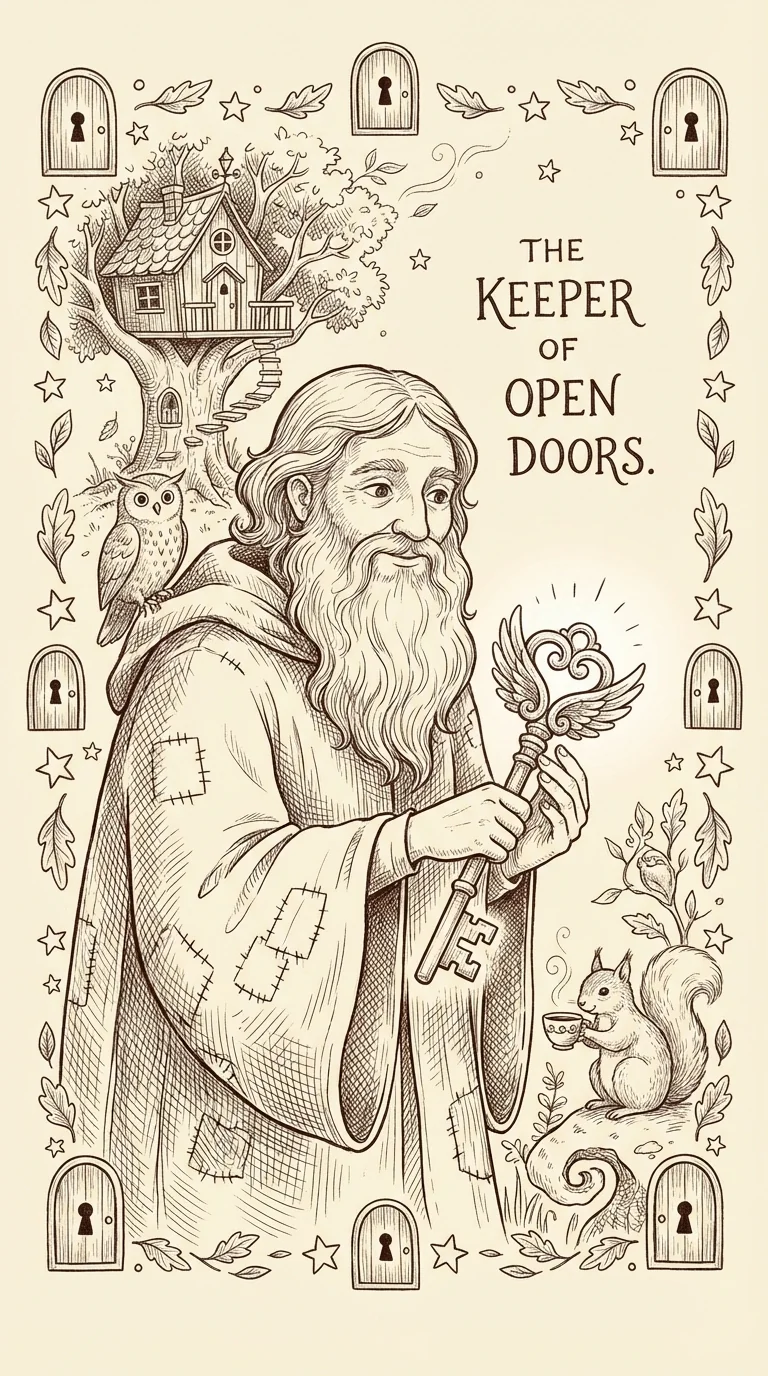
Node 2: a trusted adult. A teacher, counselor, coach, relative—someone with power to help if things escalate.
Node 3: a resource. A text line, a hotline, an app. Knowing it exists before you need it is the whole point.
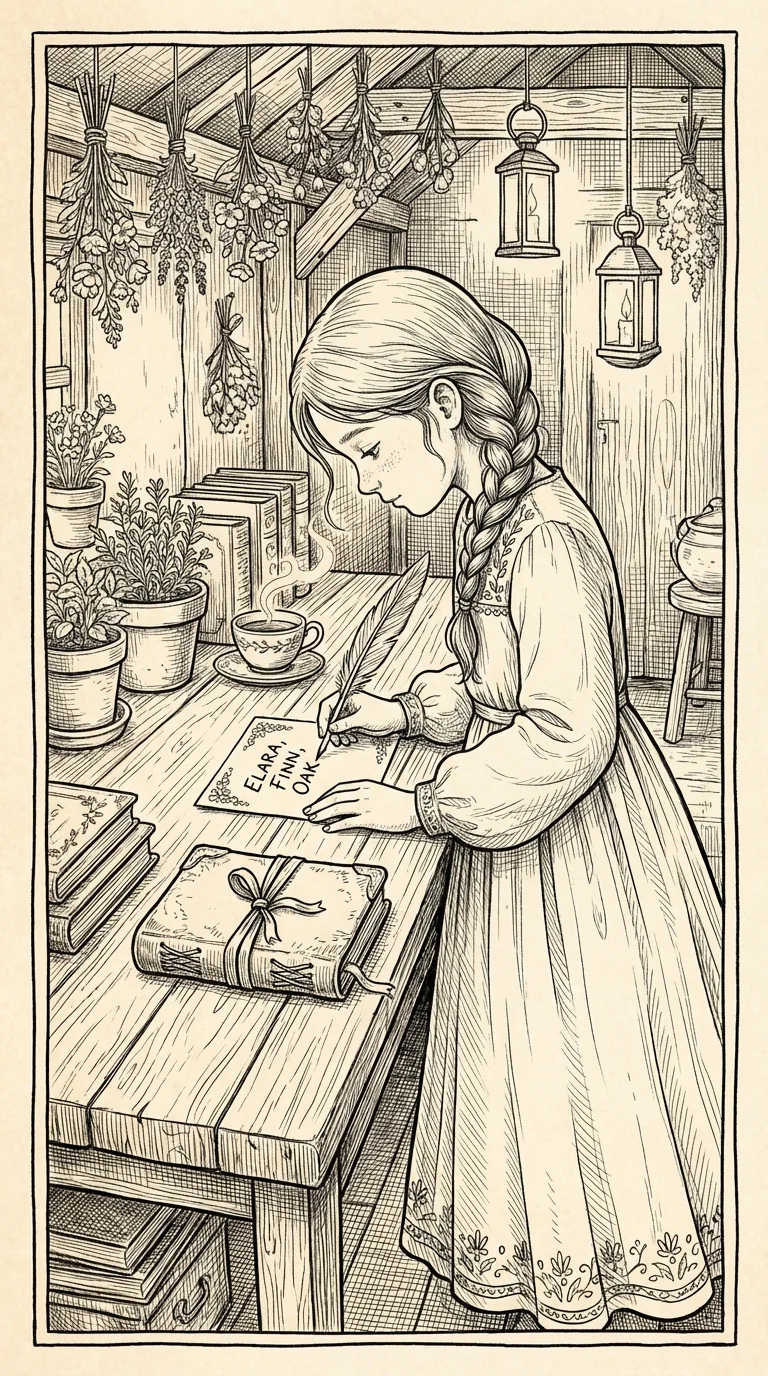
Write down all three today—name and contact. Put it somewhere accessible. This is your emergency network, pre-built.
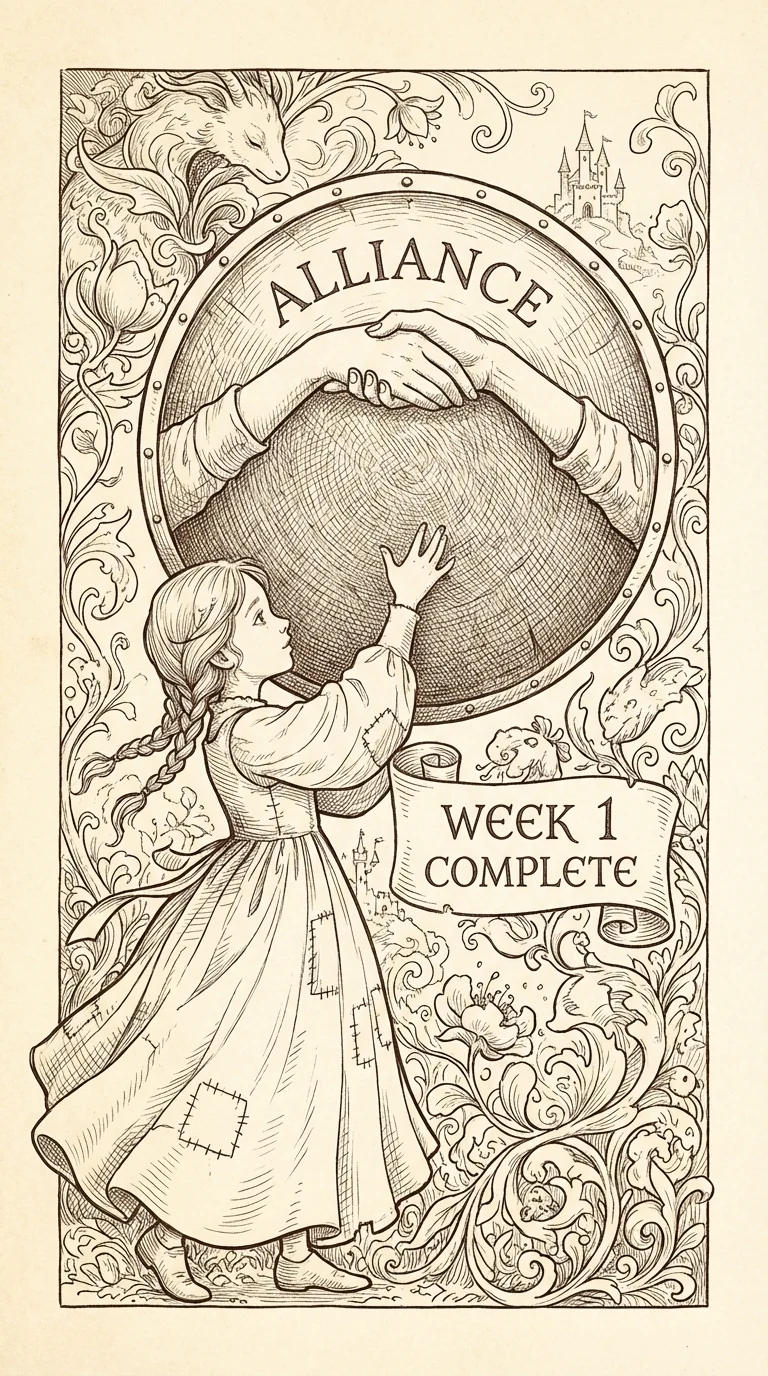
Week 1 complete. You're not alone. The alliance mark is on your shield — the hands of the people who have you.