Day 8 — Accessible Version
Setting Boundaries That Stick
A boundary isn't controlling her — it's deciding what you will do. Learn to set one clear limit, follow through consistently, and stop apologising for protecting yourself.
Part 1 of 2: Setting Boundaries That Stick

A boundary is not a punishment. It's not controlling her. It's a limit you set to protect your own wellbeing.

Boundaries feel hard because you've been taught that her comfort comes first. Setting a limit feels like doing something wrong.
But: you are allowed to have limits. 'I won't engage when you're yelling' is not disrespectful—it's self-protective.
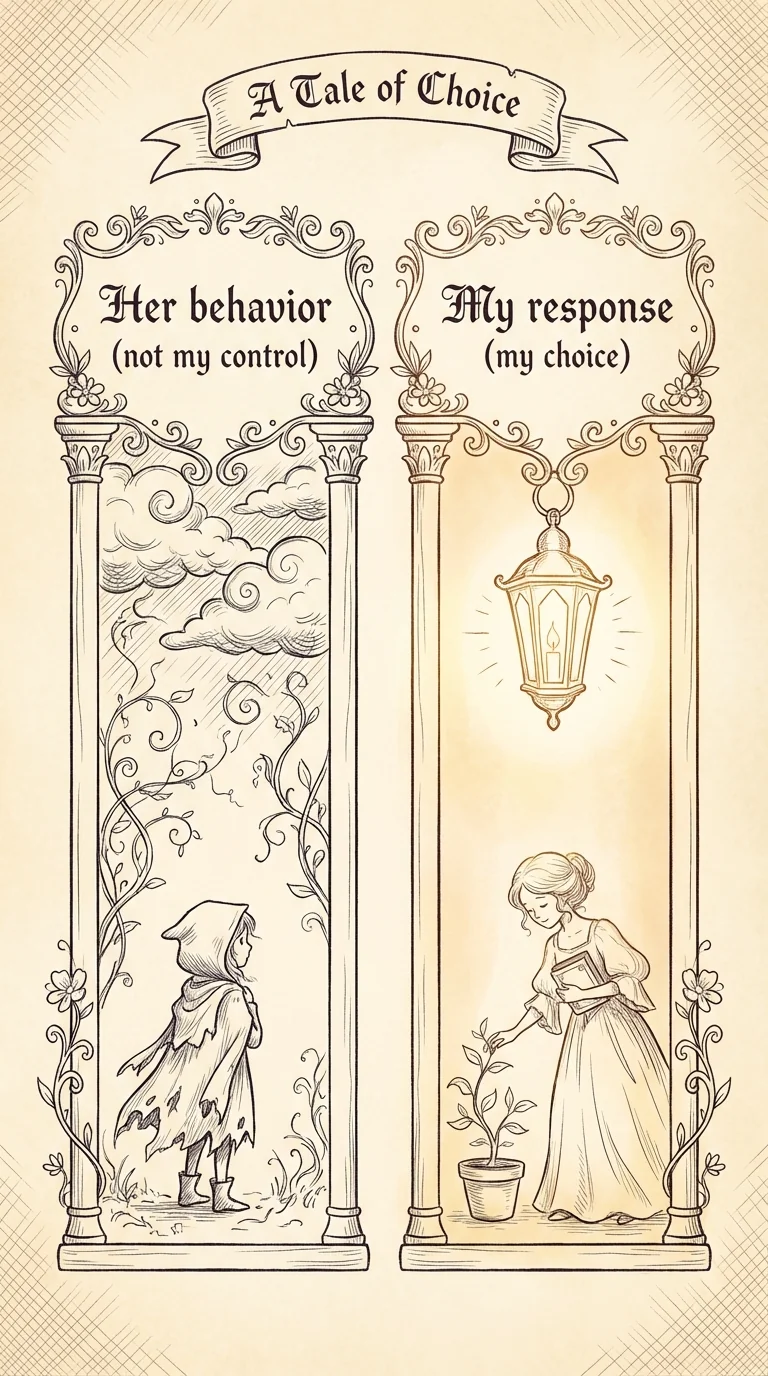
The key: you can only control your behavior, not hers. A boundary is what YOU will do, not what you demand she do.
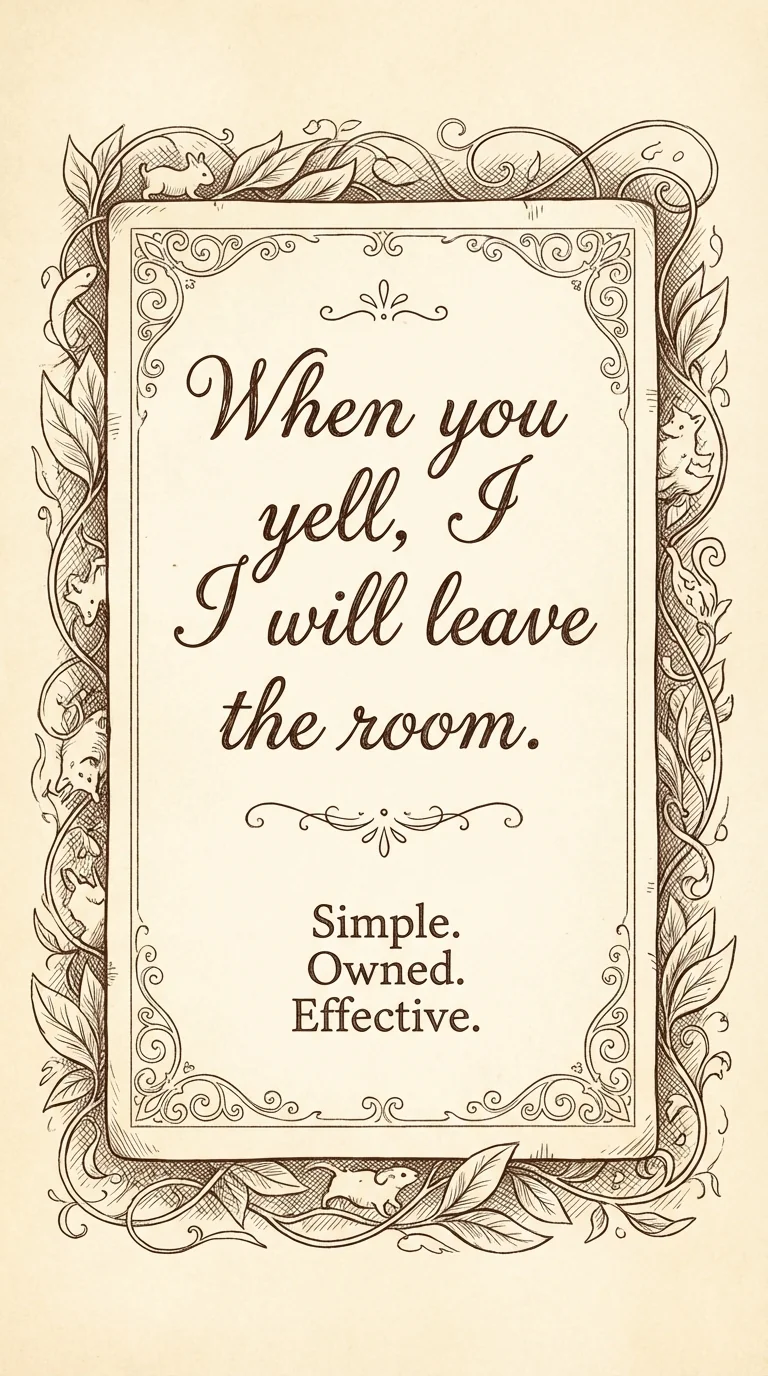
Example: 'When you yell, I will leave the room.' Not 'Stop yelling.' You own your response—that's the whole boundary.

Boundaries won't change her. But they change your experience. And that's exactly what they're meant to do.
Part 2 of 2: Protecting Your Wellbeing

Today you write one boundary—your most important one—and practice stating it clearly and calmly.
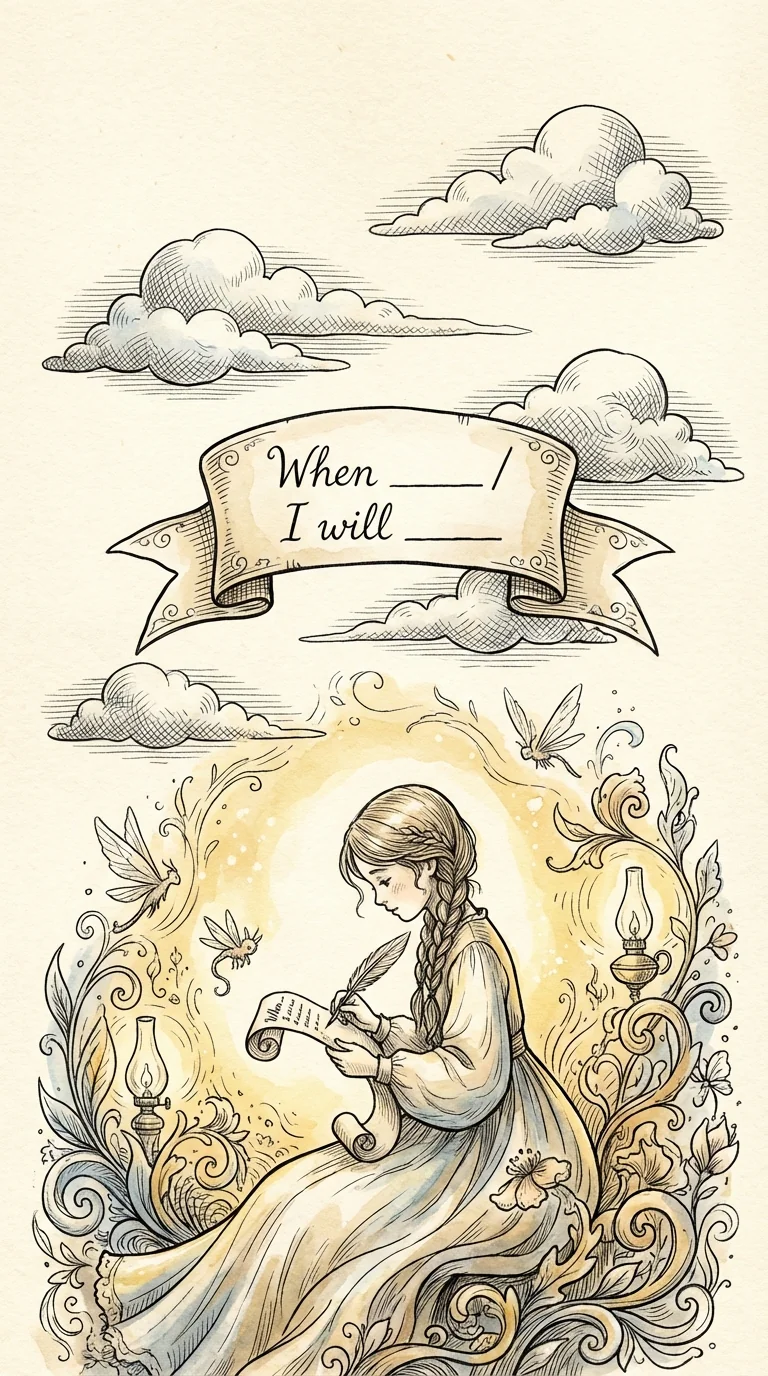
Your boundary starts with 'When ___' and continues with 'I will ___.' Fill in both halves now.

Expect pushback. When you first set a boundary, it will be tested. That's normal—and it's not a sign it's wrong.

Your job isn't to convince her the boundary is fair. Your job is to follow through on your side—consistently.
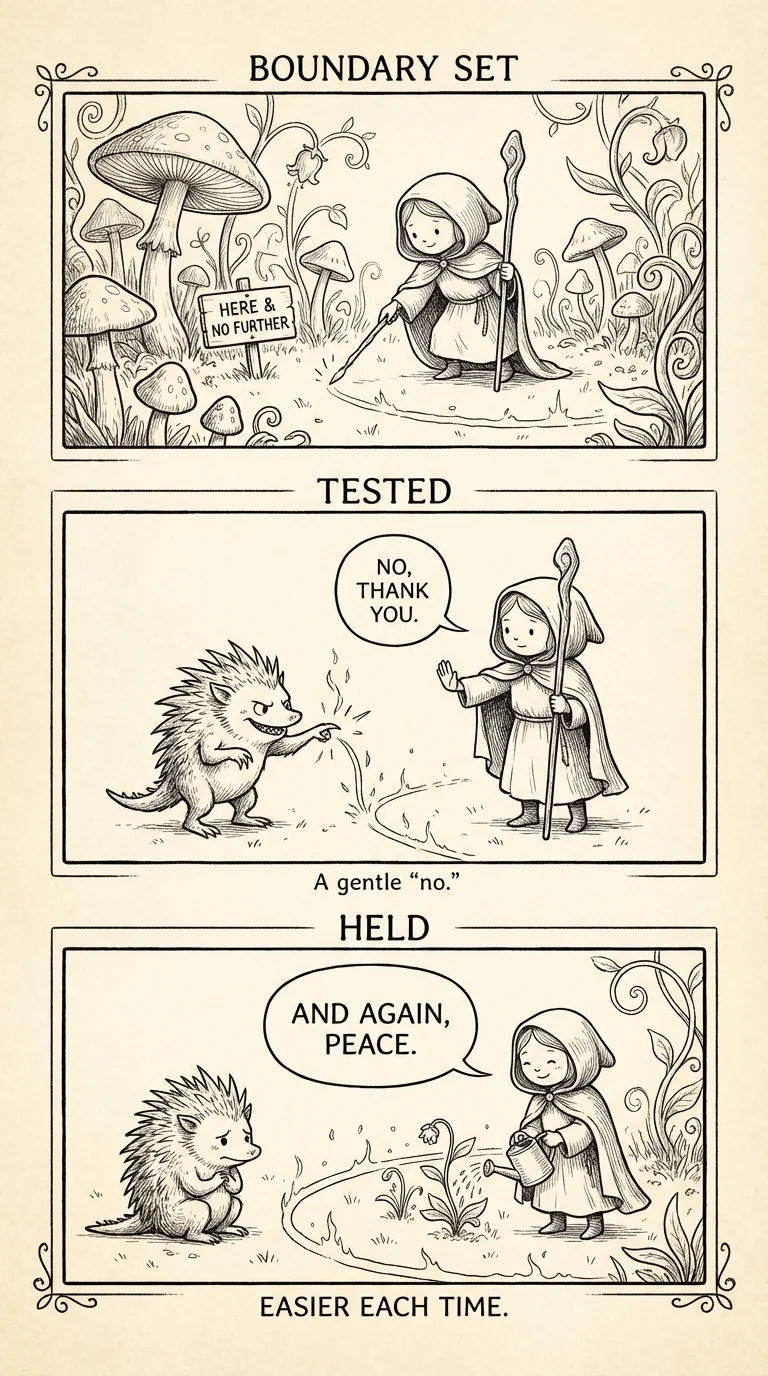
A boundary you don't follow through on teaches her it isn't real. Consistency is what makes it a boundary, not words.

You know your limits. You enforce them. The border of your shield is complete — every edge reinforced.