Day 9 — Accessible Version
Post-Incident Recovery
How you recover after conflict matters as much as how you cope during it. Build your personal 4-step protocol — physical reset, emotional release, reality check, move forward.
Part 1 of 2: Post-Incident Recovery
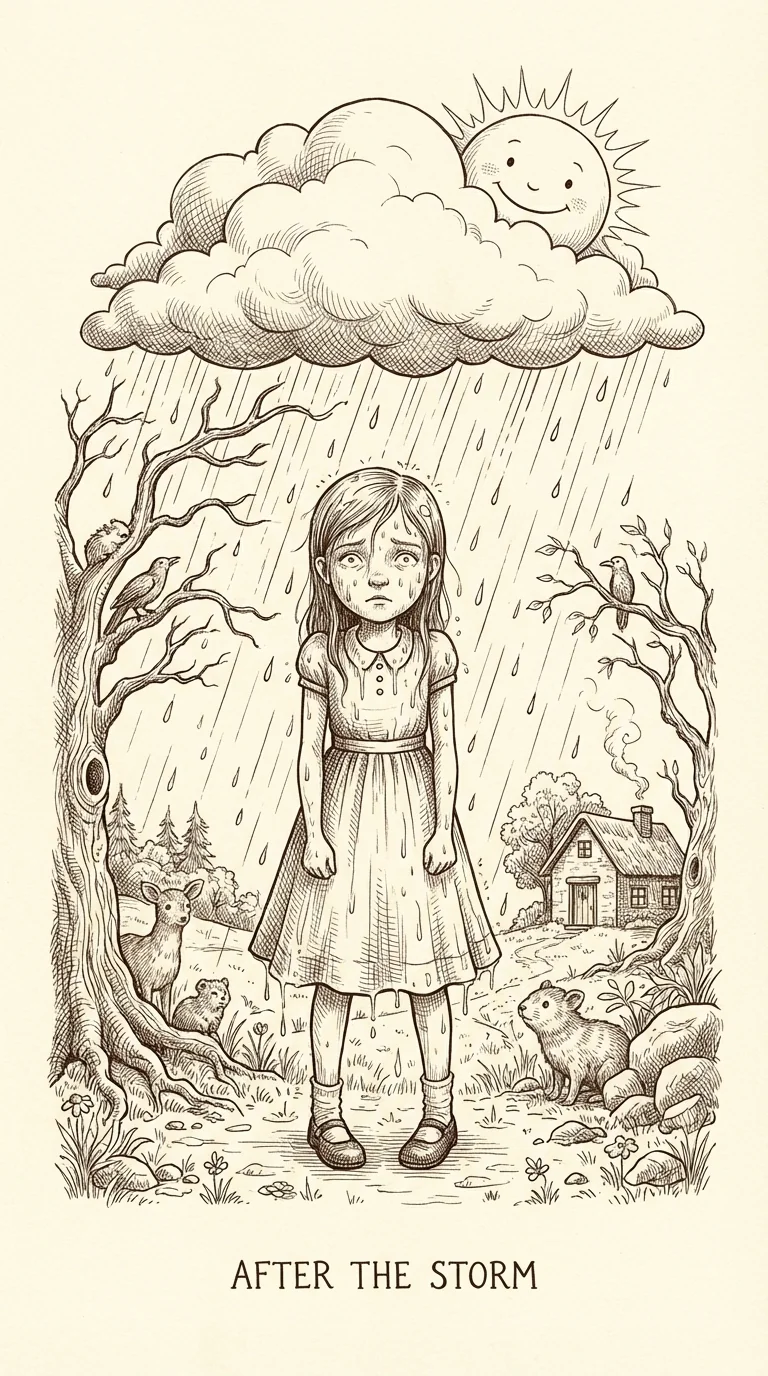
The incident is over. She's gone quiet. But you're still in it—heart still pounding, thoughts still spiraling.
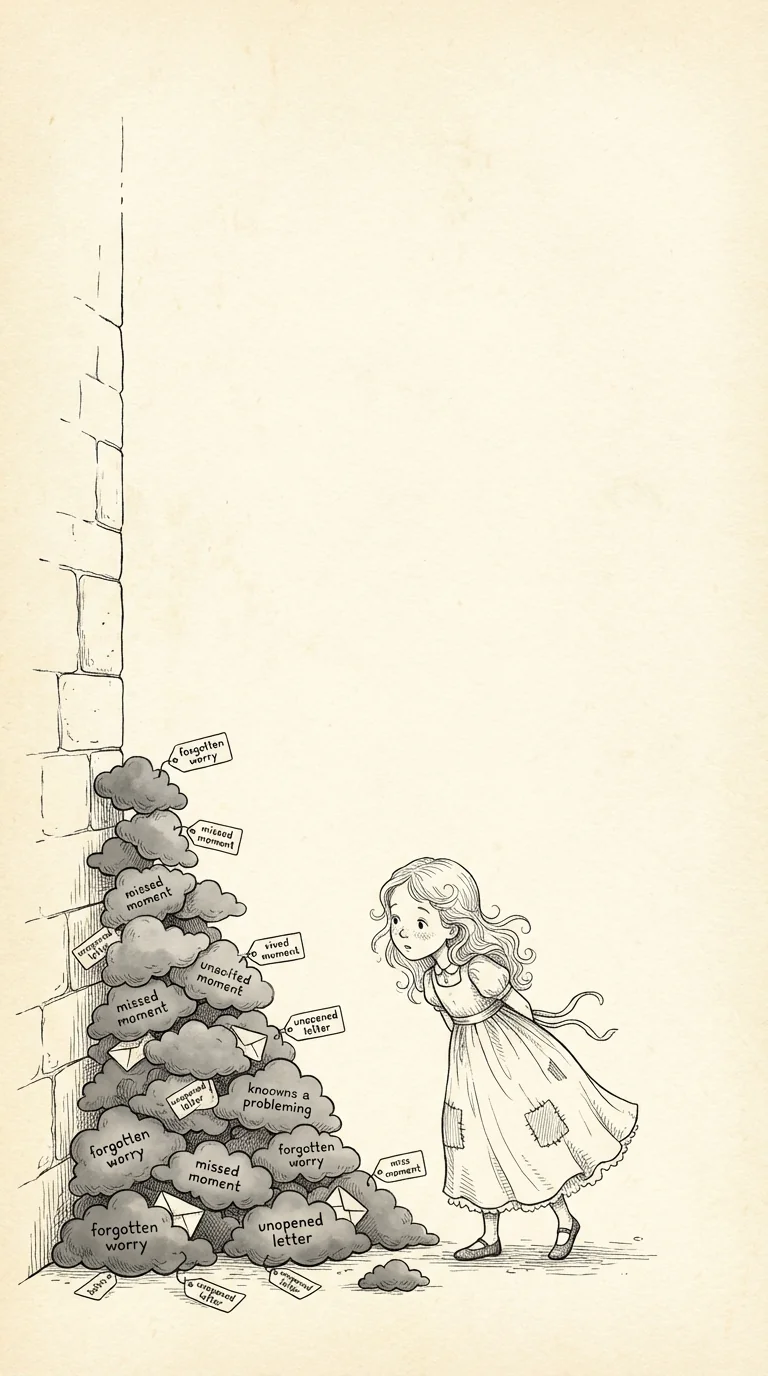
How you recover after conflict matters as much as how you cope during it. Left unprocessed, it compounds over time.

Unhealthy processing: ruminating for hours, replaying what you should have said, letting it ruin your whole day.

Healthy processing: brief acknowledgment, physical reset, emotional release, then move forward. Four steps.

Physical first: move your body. Walk, stretch, cold water on your face. Your body stored the stress—help it release.

After physical comes emotional: journal, or call your support person. You don't have to carry it alone.
Part 2 of 2: Resetting After the Storm
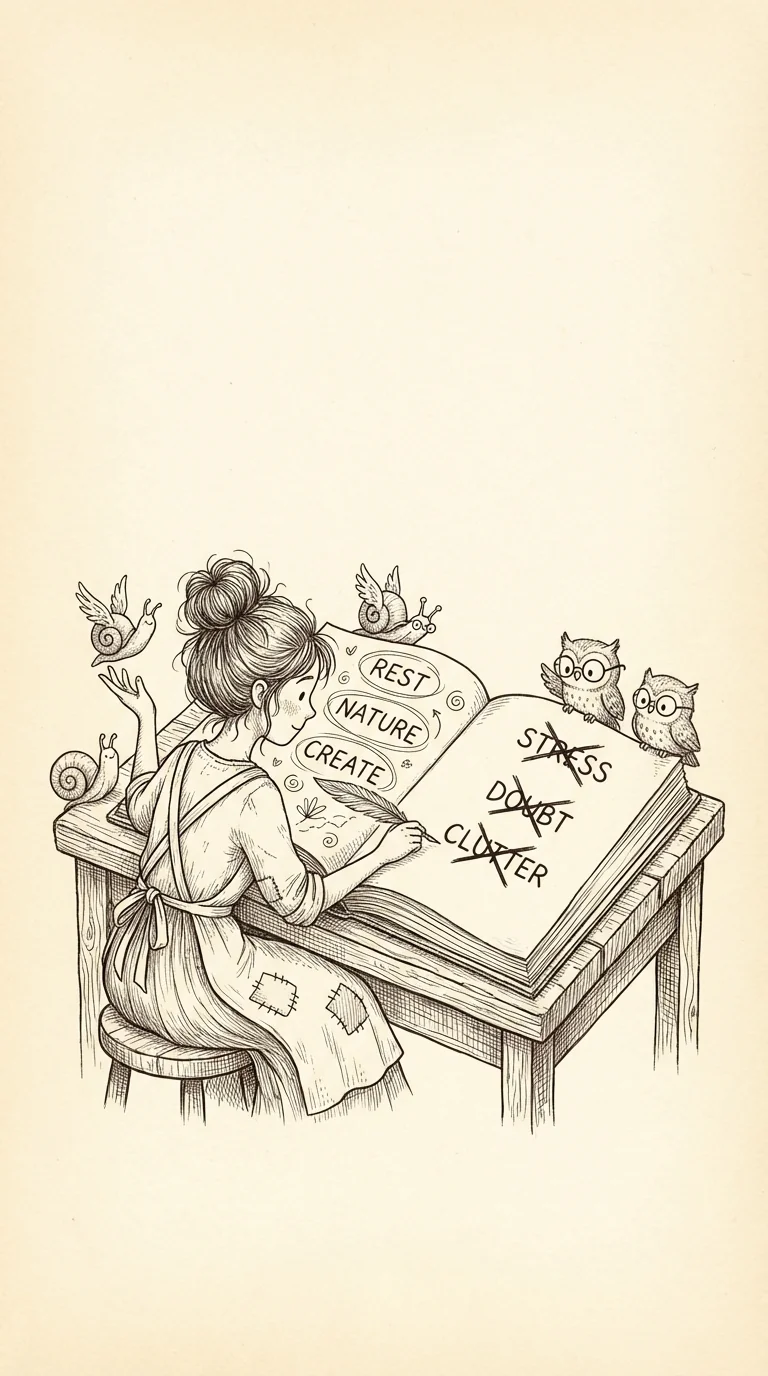
Today you design your personal 4-step recovery protocol—tailored to what actually works for your body and mind.

Step 1, Physical: what movement or sensation resets your nervous system fastest? Walk? Cold water? Jumping?
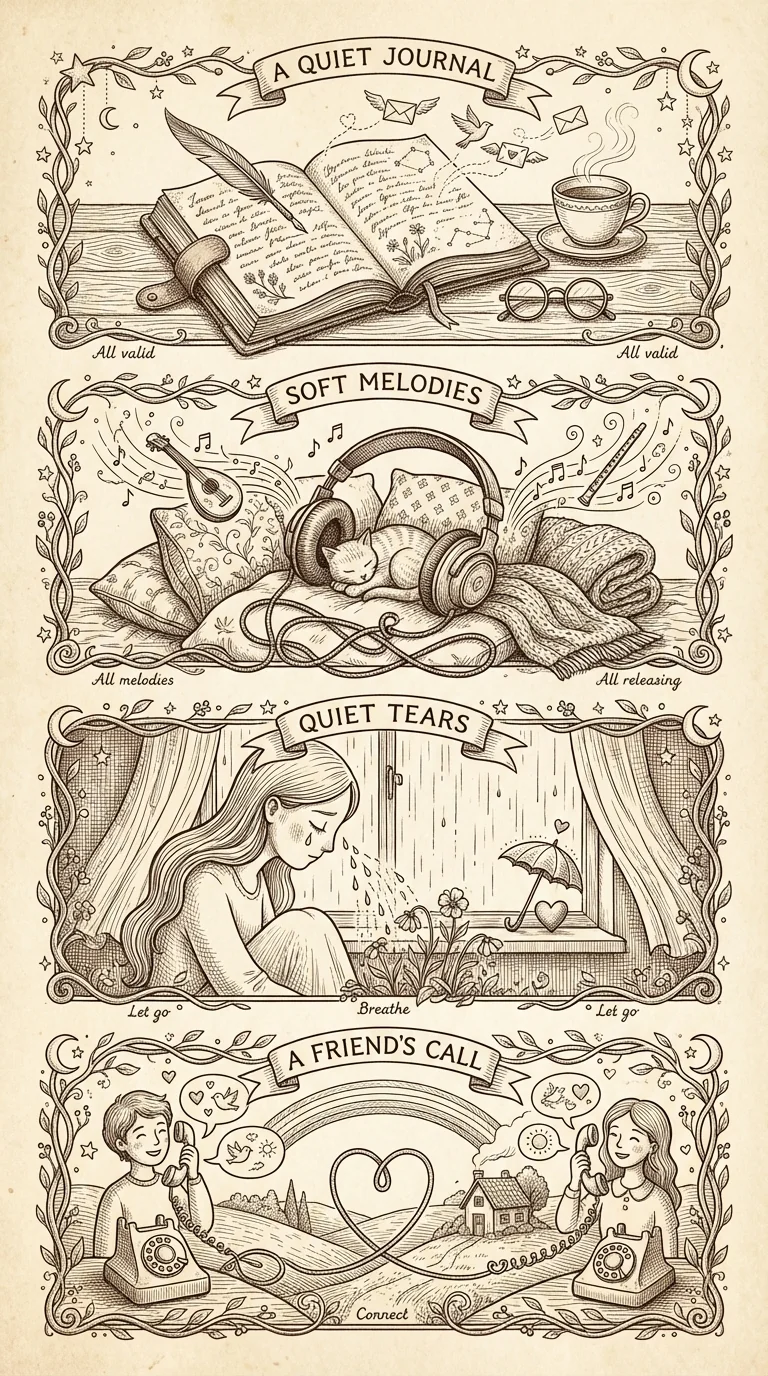
Step 2, Emotional: how do you prefer to release? Journal? Music? Cry it out? Talk to someone? Choose your method.
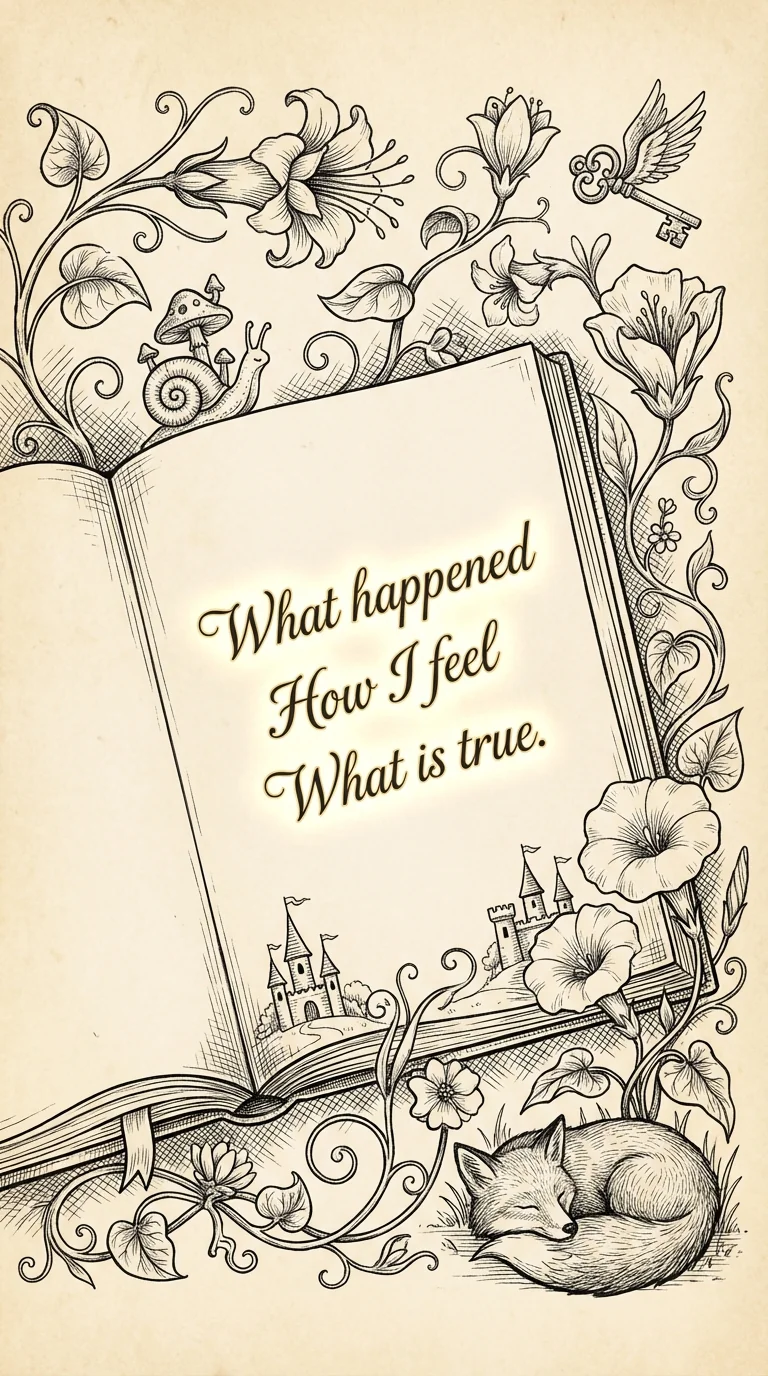
Step 3, Cognitive: two-minute reality check. 'What happened. How I feel. What is actually true.' Just the facts.

Step 4, Forward: do one normal thing after. Homework, music, a snack. Signal to your brain: the storm has passed.
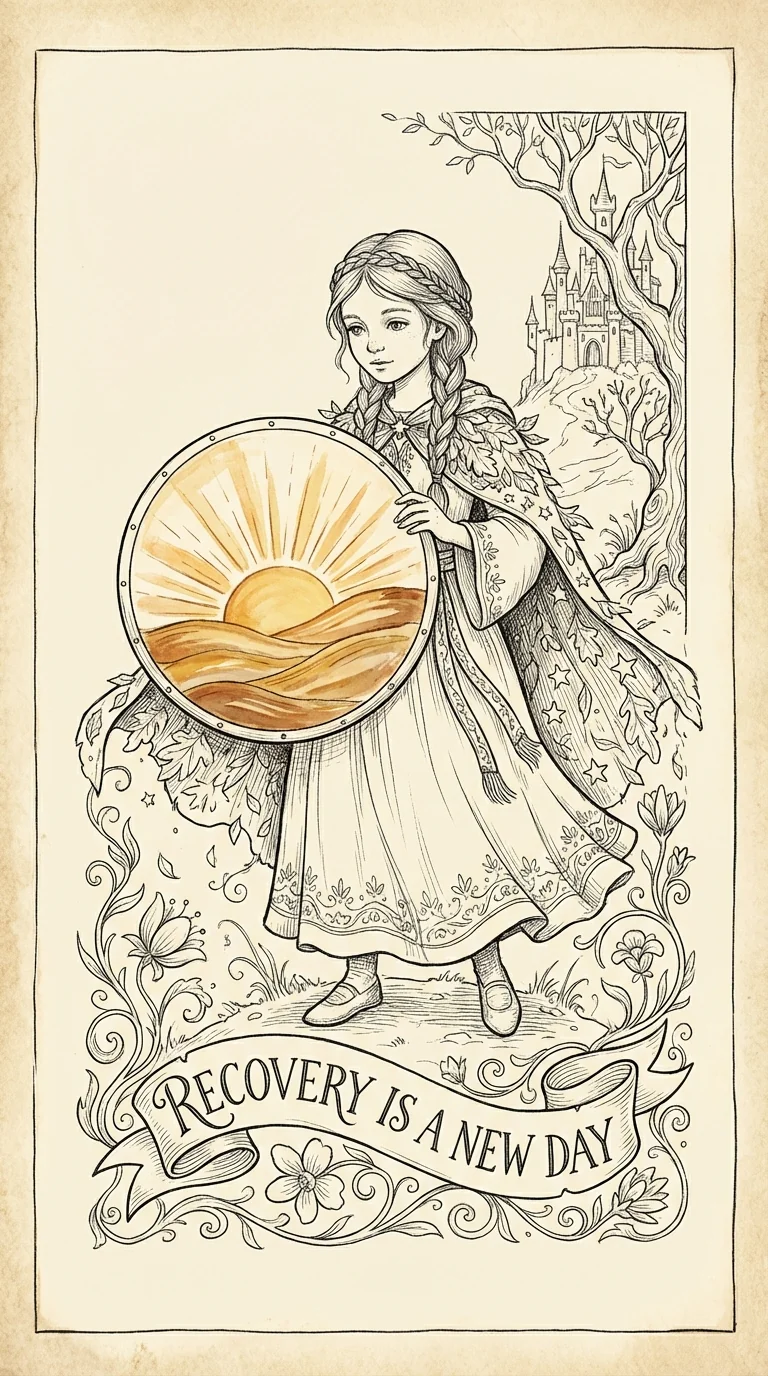
You can recover faster than you think. A sunrise is painted on your shield now — because every day resets.